Chipped Wisdom Tooth No Pain? Signs You Shouldn’t Ignore
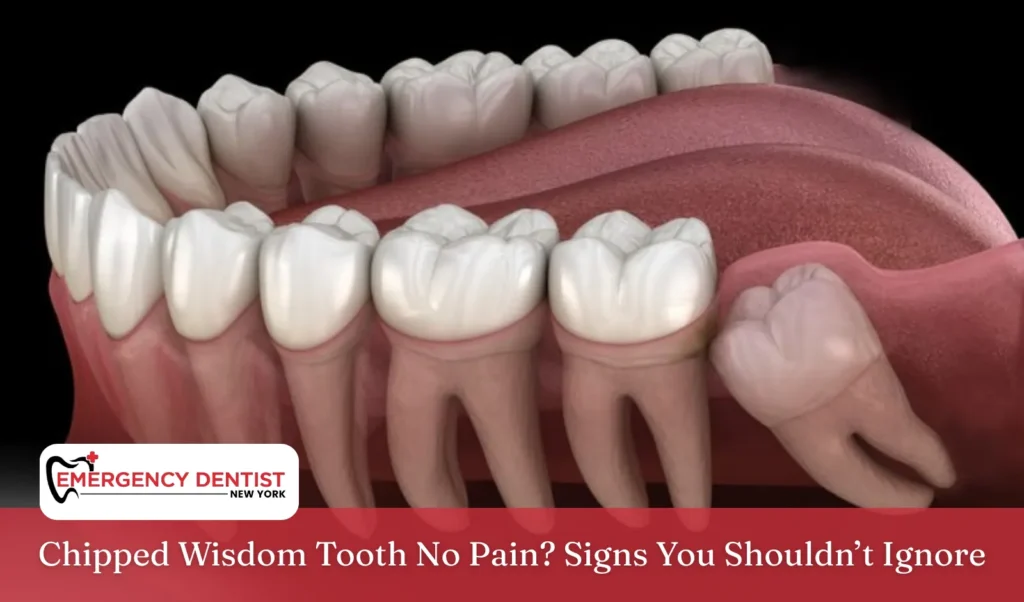
Not all dental problems cause pain right away. If your wisdom tooth chipped off with no pain, it might not feel like an emergency. However, even if a chipped wisdom tooth no pain situation seems harmless, it can still lead to serious oral health issues over time. In this guide, we’ll explain the hidden risks, common causes, treatment options, and why visiting an Emergency Dentist in Soho is essential for protecting your smile.
Can a Wisdom Tooth Chip Without Pain?
Yes, a wisdom tooth can chip or break without causing pain. This usually happens when the nerve inside the tooth isn’t exposed. But the absence of pain doesn’t mean everything is fine. Cracks, decay, and damage can develop silently, especially in wisdom teeth, which are harder to clean and more prone to bacteria buildup.
Common Causes of a Wisdom Tooth Chipped Off With No Pain
Here are common reasons why a chipped wisdom tooth no pain problem might occur:
Food and bacteria can get trapped around wisdom teeth, causing decay and weakening the enamel until it chips.
- Cracked Wisdom Tooth
Grinding your teeth, chewing ice or hard foods, or accidental trauma can cause cracks that eventually break the tooth.
- Partial Eruption
When the tooth is partially erupted, gum tissue can trap food, leading to decay and structural damage.
Inflamed or infected gums can weaken the tooth’s support, increasing the risk of breakage.
Warning Signs to Watch, Even Without Pain
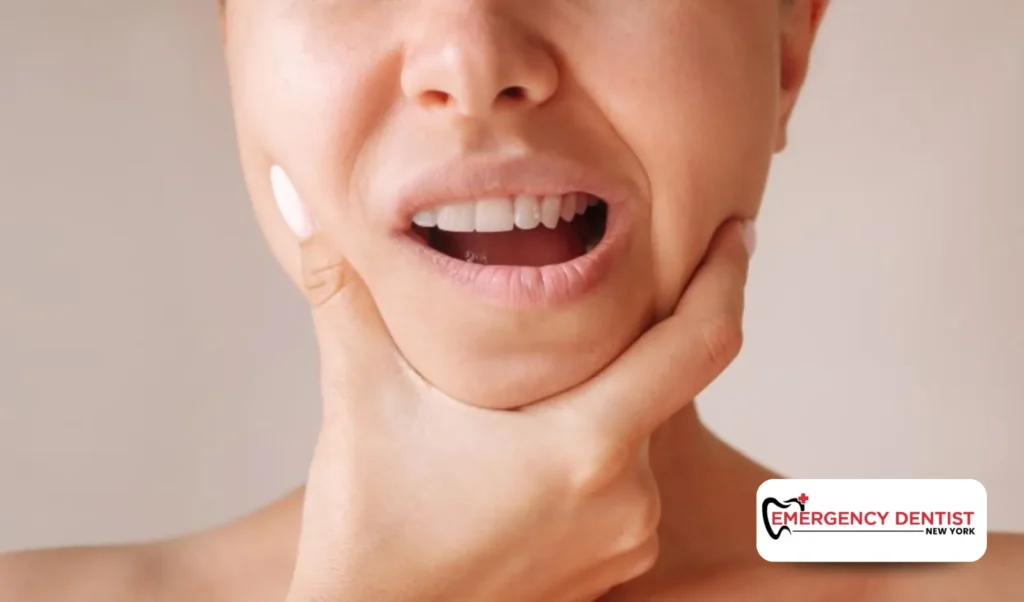
Even without discomfort, you might still notice:
- Bad breath or a bitter taste in your mouth
- Swelling or redness behind the molars
- Bleeding or pus near the tooth
- Difficulty chewing or opening your mouth
- Jaw tightness or stiffness
These signs suggest infection, decay, or deeper structural issues.
Why You Shouldn’t Ignore a Chipped Wisdom Tooth
Ignoring a chipped wisdom tooth may lead to:
- Further Breakage
A small chip can turn into a severe fracture.
- Infection Risk
Bacteria can enter the chipped or cracked tooth and cause an abscess or gum infection.
- Impaction or Crowding
A damaged tooth may shift or push against nearby teeth, affecting alignment.
- Spread of Gum Disease
Infection can extend to the gum tissue and even into the jawbone.
Treatment Options for a Chipped Wisdom Tooth
The treatment depends on how much of the tooth is damaged:
- Dental Bonding or Filling
Used for minor chips to restore the tooth’s shape and protect against bacteria.
- Dental Crowns
A crown can cover and protect a severely damaged wisdom tooth if it’s still functional.
Often the best option if the tooth is decayed, impacted, or causing recurring problems.
- Soft Foods and Pain Relief
While waiting for treatment, eat soft foods like yogurt, soup, or mashed potatoes. Over-the-counter medication can also help if discomfort begins.
- Warm Salt Water Rinse
Rinsing with warm salt water helps clean the area and reduce swelling or bacteria.
When to Visit an Emergency Dentist in Soho

Even without pain, it’s important to see an Emergency Dentist in Soho if you experience:
- Visible cracks or missing pieces of tooth
- Swelling, redness, or pus in the gum area
- Trouble eating or opening your mouth fully
- Constant bad breath or unpleasant taste
Protecting Your Oral Health After Treatment
To prevent further issues, follow these tips:
- Maintain regular dental checkups
- Brush and floss carefully, especially around back molars
- Avoid chewing hard foods or ice
- Watch for signs of decay, swelling, or infection
Many dentists recommend removing wisdom teeth before they cause future complications. If your wisdom tooth is already chipped or damaged, it may be time to consider extraction.
Conclusion
A wisdom tooth chipped off with no pain may not hurt now, but it can still lead to decay, infection, or more serious dental issues. Whether caused by decay, cracked enamel, or partial eruption, ignoring it can lead to costly and painful consequences.
Don’t wait until symptoms get worse. Contact an Emergency Dentist in Soho for a proper evaluation and treatment. Taking action early can help protect your smile, prevent infection, and avoid future complications.