
How Long Do Dental Implants Take to Heal and Feel Secure?
Getting a dental implant is a key step in restoring your smile and improving your oral health. However, one of the most common questions people ask is, how long does it take for dental implants to heal? The healing process varies because it depends on your overall health, number of implants, bone strength, and whether bone grafting was needed. Understanding what to expect helps you heal safely, comfortably, and without rushing.
What Happens During a Dental Implant Procedure?

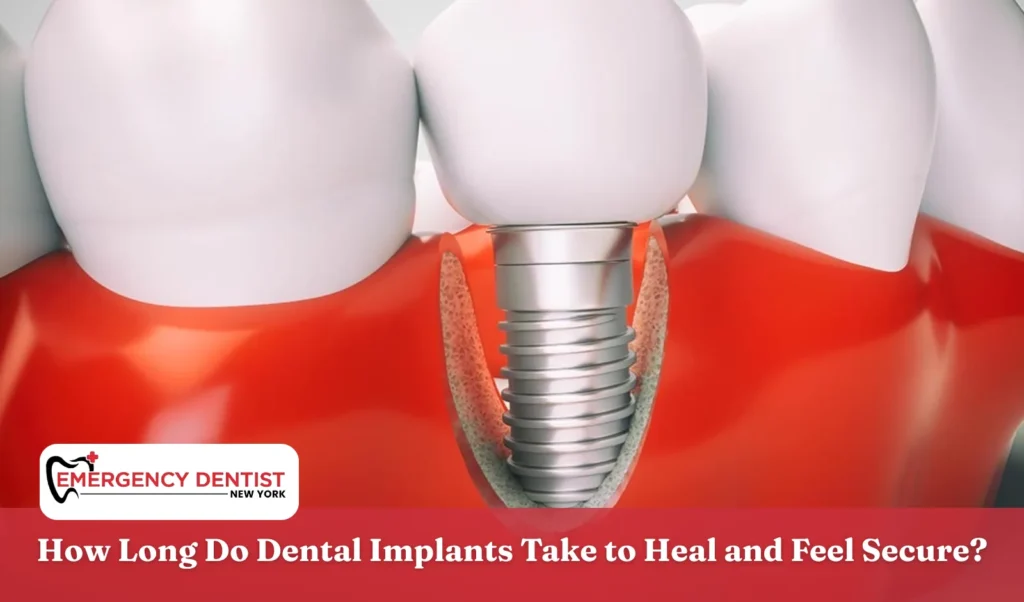
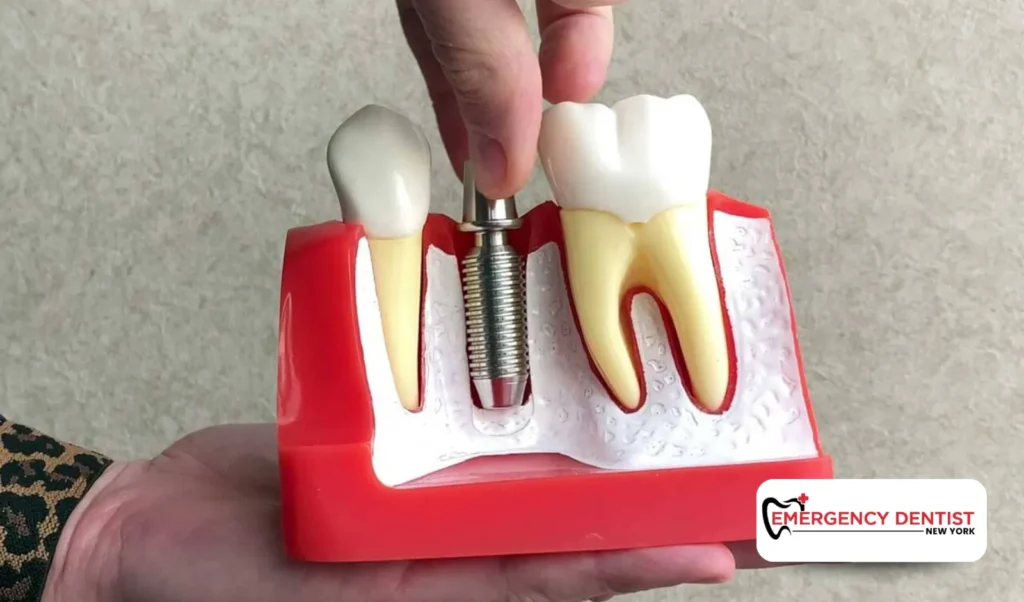
A dental implant procedure involves placing a small titanium post into your jawbone. This post acts like the root of natural teeth, providing strong support for your future tooth replacement. After the implant placement, the implant site needs time to heal and attach to the bone through a process called osseointegration.
If your jawbone is too thin or weak to hold the implant, your dentist may suggest bone grafting. Although this adds extra healing time, it helps create a stronger foundation for long-term implant success.
How Long Does a Dental Implant Take to Heal?
Right after dental implant surgery, healing begins. During the first 24 hours, you may feel slight pressure, swelling, or discomfort, but many people do not feel any pain due to anesthesia and proper care.
The complete dental implant healing process may take several months. During this recovery time, your bone gradually grows around the implant, helping it become strong and stable. If you received multiple implants or needed bone grafting, your recovery process may take longer.
What Affects Healing Time?
The answer to how long do dental implants take to heal depends on factors like:
- Overall health – Healthy gums and strong bones support faster healing.
- Number of implants – More implants may need longer healing.
- Bone grafting – Adds extra time for bone to grow and stabilize.
- Oral health – Good hygiene helps prevent infection.
- Lifestyle habits – Smoking, poor diet, or not following care instructions can slow healing.
A dental professional can evaluate these factors and help guide your recovery.
Recovery Tips for Better Healing
Proper aftercare is critical to successful healing.
During the first 24 hours:
- Avoid rinsing or spitting forcefully
- Do not touch the implant site
- Rest and allow clotting to begin
In the following days:
- Eat soft foods such as yogurt, mashed potatoes, or oatmeal
- Brush gently around the implant area
- Avoid strenuous physical activity
Avoid:
- Crunchy foods that may irritate the healing area
- Using straws, as suction can affect clotting
- Smoking, which delays healing
These steps help protect your implant and support healthy healing over time.
When Does the Implant Feel Normal?
As healing continues, any swelling or discomfort should fade. Most people return to regular activities within a few days. Over time, the implant will start to feel more like natural teeth, especially once the crown is placed.
When to Seek Professional Help
Contact an Emergency Dentist in Quogue if you notice:
- Pain that gets worse
- Swelling or redness that increases
- Bleeding after 24 hours
- A loose implant or crown
These may be signs of infection or delayed healing and should be checked quickly.
Long-Term Implant Success
With the right care, dental implants can last for many years. Brushing, flossing, regular checkups, and healthy habits help keep your implant strong and secure, just like natural teeth.
Why a Consultation Matters
Since every person heals differently, the best way to know how long a dental implant takes to heal is to schedule a consultation. A dental professional can review your bone health, gum condition, and overall needs to create a personalized treatment and recovery plan.
Final Thoughts
Healing from dental implant surgery takes time, patience, and consistent care. By protecting the implant area, choosing to eat soft foods, keeping the mouth clean, and avoiding strenuous activities, you help your implant heal fully and safely. These simple steps support healthy bone bonding and reduce the risk of infection or complications. With the right care and follow-up visits, your implant can eventually look, feel, and function just like natural teeth, offering long-lasting comfort and stability.
To understand your personal healing timeline and receive tailored guidance, schedule a consultation with an Emergency Dentist in Quogue today.