
Does Tooth Extraction Hurt? What Patients Should Know
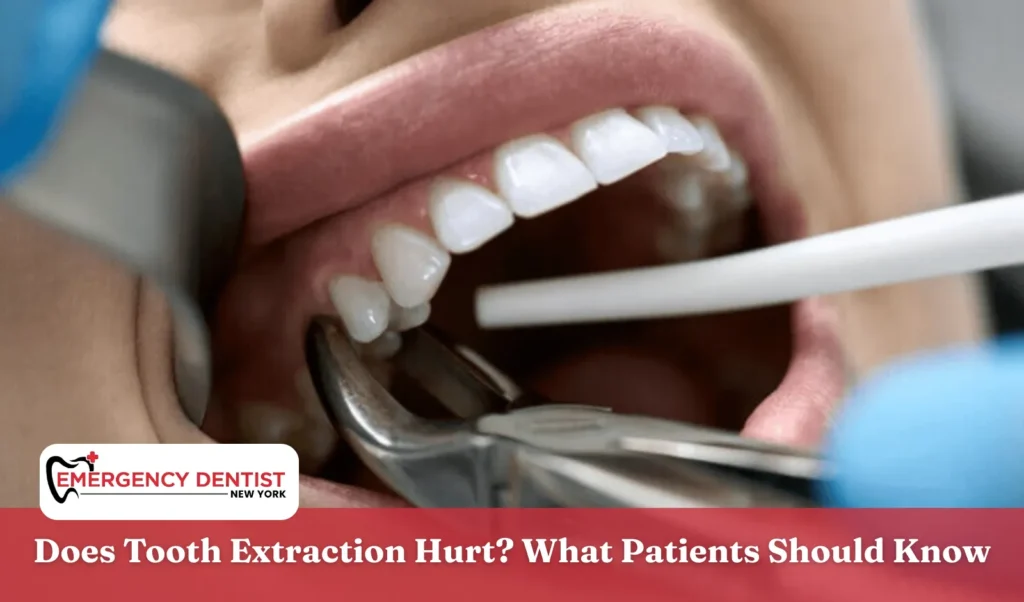
When facing a dental procedure, one of the first questions many people ask is, “Does tooth extraction hurt?” It’s completely natural to be nervous about getting a tooth removed, but modern dental care has made the process far more comfortable than most expect.
Whether you need a simple extraction or your wisdom teeth removed, knowing what happens before, during, and after the appointment can help you feel calm and prepared. If you ever experience sudden pain or complications, an Emergency Dentist in Quogue can provide quick treatment and ensure you heal properly.
Understanding the Tooth Extraction Process
A tooth extraction is a common dental procedure where a dentist or oral surgeon carefully removes a tooth from its socket in the jawbone. This is typically done when a tooth is too damaged to be saved by fillings, crowns, or root canal therapy.
There are two main types of extractions:
- Simple extractions: Used when the tooth is visible and easy to access. The dentist will loosen the tooth and gently remove it using specialized tools.
- Surgical extractions: Required when a tooth is broken, impacted, or below the gum line. In this case, the oral surgeon may need to make a small incision in the gum to reach it.
Both methods are performed with comfort and safety in mind, and your dentist will explain every step to help ease your concerns.
Does a Tooth Extraction Hurt During the Procedure?
Patients often ask, “Does a tooth extraction hurt during the procedure?” Thanks to advanced technology and anesthetic options, the answer is usually no. Before the extraction begins, your dentist will numb the area using local anesthesia so you won’t feel any sharp pain. You might notice a bit of pressure or movement, but that’s normal.
If you’re anxious or having your wisdom teeth removed, your oral surgeon might also offer sedation to help you relax. These comfort techniques ensure the extraction hurt is kept to an absolute minimum. For most people, the experience is far less stressful than they imagine.
Does Tooth Extraction Hurt After the Procedure?
Many people worry about what happens once the anesthesia wears off and wonder, “Does tooth extraction hurt after?” It’s normal to experience some pain and swelling during the first 24 hours. This is part of the body’s natural healing process.
During recovery, a blood clot forms at the extraction site, covering the bone and nerve endings while helping new tissue grow. This clot is crucial, it protects the area as your mouth heals.
If the blood clot becomes dislodged or fails to form properly, it can cause a painful condition known as dry socket. This is one of the more common post-extraction side effects. It may lead to severe pain, bad breath, and even discomfort radiating to the ear or jaw. Following your dentist’s care instructions carefully helps prevent this issue.
Managing Pain and Swelling After Extraction
After a tooth is removed, some soreness is expected, but proper pain management can make recovery smooth and comfortable. Your dentist may prescribe pain medication or suggest over-the-counter pain relievers to help you manage discomfort.
Here are some effective aftercare tips:
- Use ice packs on the outside of your cheek in 15-minute intervals during the first few hours to reduce swelling.
- Rest for at least 24 hours after the procedure. Avoid strenuous activity that could disturb the extraction site.
- Rinse your mouth gently with warm salt water after the first day to clean the area and reduce bacteria. Avoid vigorous spitting or rinsing, as this can loosen the clot.
- Eat soft food such as yogurt, soup, mashed potatoes, and scrambled eggs. Continue eating soft foods for several days while the site heals.
- Avoid drinking through a straw or smoking, as the suction can disrupt the clot and lead to dry socket.
If discomfort persists beyond 48 hours, or if the swelling worsens, it’s best to contact your dentist for evaluation.

Common Side Effects and When to Seek Help
Mild discomfort and swelling are normal side effects following a tooth extraction, and most patients recover without issues. However, there are a few warning signs that indicate you should seek immediate care.
You should contact an Emergency Dentist in Quogue if you notice:
- A foul taste or odor in your mouth (bad breath)
- Prolonged bleeding that doesn’t stop after several hours
- Increasing pain or swelling after the second day
- Fever or chills
- Visible bone at the extraction site
These symptoms may be a sign of infection or other complications that require professional attention. Acting early helps prevent the issue from getting worse and ensures your mouth heals properly.
Oral Care and Hygiene During Recovery
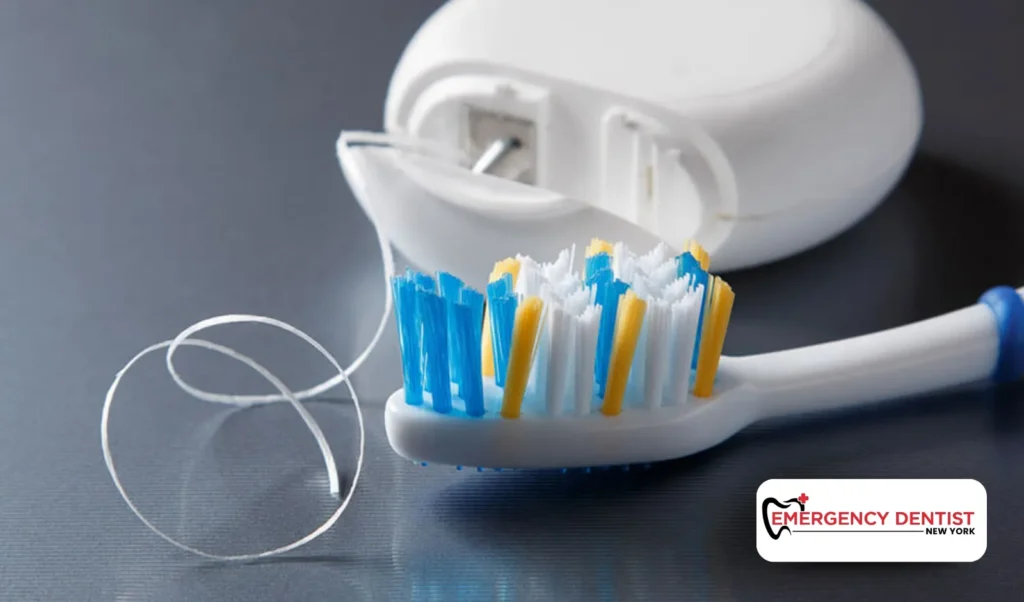
Even after having a tooth removed, keeping your mouth clean is essential for healing. You should continue to brush your teeth, but be careful to avoid brushing directly on the extraction site for the first couple of days. Use gentle motions and a soft-bristled toothbrush to avoid irritation.
Flossing around nearby teeth is fine, but take care not to disturb the area where the blood clot forms. Keeping the site clean without overdoing it helps the healing process stay on track.
Good hydration and a healthy diet also promote faster recovery. Stick to soft, nutrient-rich foods and avoid anything hard or sticky that could cause discomfort.
How Long Does It Take to Recover from a Tooth Extraction?
Most patients find that their pain lessens after the first 48 hours. Within a week, swelling should go down, and normal activities can usually resume. Complete healing of the gum tissue and bone may take a few weeks, but discomfort generally fades quickly.
Your dentist will schedule a follow-up visit to check the extraction site and ensure proper healing. If any issues arise before then, such as severe pain or unusual swelling, don’t hesitate to reach out. Contacting your dentist early helps prevent minor issues from turning into major ones.
Conclusion
So, does tooth extraction hurt? With today’s dental techniques, most patients experience little to no pain during the procedure. Some soreness afterward is expected, but it’s easily managed with ice packs, gentle salt water rinses, and soft food choices. Resting for 24 hours and practicing good hygiene are key to a fast recovery.
Whether you’re wondering if a tooth extraction hurts, do tooth extractions hurt afterward, or if a tooth extraction painful recovery is normal, the answer is that discomfort is temporary and manageable. By following your dentist’s instructions, recognizing any sign of infection, and reaching out to an Emergency Dentist in Quogue when needed, you can heal quickly, maintain your oral health, and return to your routine with confidence.