
Signs and Symptoms of Dry Socket After Tooth Extraction
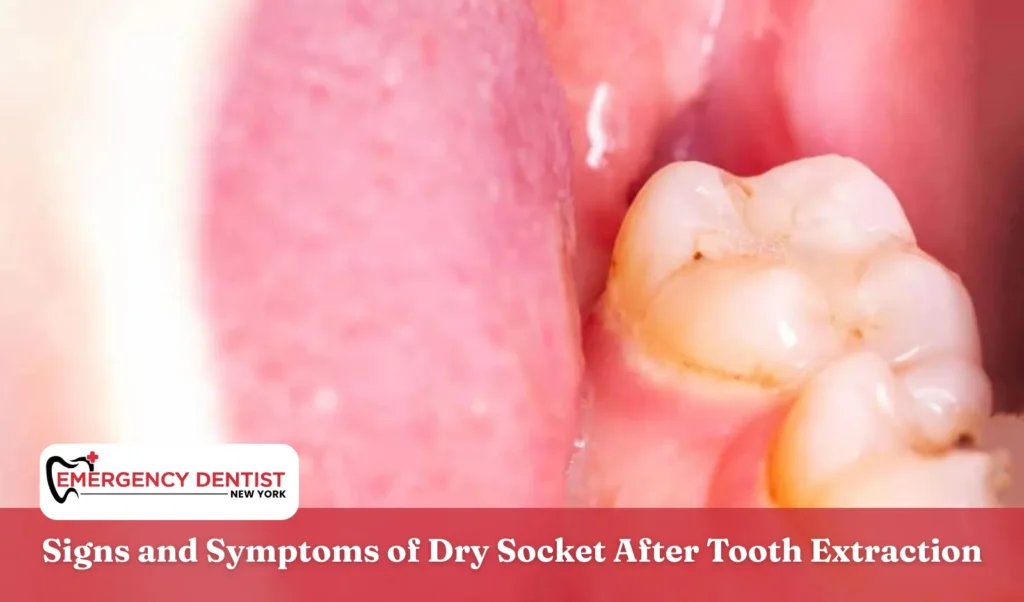
Having a tooth removed is sometimes necessary to protect your long-term oral health. However, the healing process after a tooth extraction does not always go as expected. One painful condition that can develop is dry socket, also known as alveolar osteitis. Understanding what causes dry socket after tooth extraction and knowing how to spot early warning signs can help you avoid serious discomfort and delays in healing.
This guide explains the symptoms of a dry socket after a tooth extraction, common risk factors, prevention tips, and when to contact an Emergency Dentist in Quogue for care.
What Is a Dry Socket?
After a tooth removal, your body begins the healing process right away. A blood clot forms at the extraction site, which is essential for recovery. This clot protects the bone and nerves, reduces pain, and allows gum tissue to grow over the area.
When the clot dissolves too soon, becomes dislodged, or never forms, the tooth socket remains exposed. This condition is known as dry socket. Because the bone and nerves are uncovered, patients often experience intense pain, inflammation, and delayed healing.
Dry socket can develop after any tooth extraction but is more common following wisdom teeth removal or difficult surgical procedures.

What Causes Dry Socket After Tooth Extraction?
The main cause of dry socket is the loss of the protective blood clot, but several risk factors increase the chances of developing the condition.
Common causes include:
- Smoking or tobacco use, as nicotine restricts blood flow and slows healing
- Birth control pills, which may affect clot stability due to estrogen levels
- Poor oral hygiene that allows bacteria to enter the extraction site
- Mechanical actions like using straws, spitting forcefully, or aggressive rinsing
- Trauma from complex or surgical tooth extraction procedures
These factors interfere with the natural healing process and increase the likelihood that a patient may have developed dry socket.
Signs and Symptoms of a Dry Socket After Tooth Extraction
Most people recover without complications, but symptoms of dry socket often appear within two to four days, and sometimes as early as 24 hours after the procedure.
Common signs of dry socket after tooth extraction include:
- Severe, throbbing pain that spreads to the ear, eye, or jaw
- Visible bone at the extraction site
- A constant unpleasant taste or noticeable bad breath
- Swelling and tenderness around the socket
- Pain that worsens instead of improving over time
Unlike normal soreness, the symptoms of dry socket tend to intensify, making everyday activities uncomfortable.
How Dry Socket Affects the Healing Process
When the protective clot is missing, the healing process slows significantly. Gum tissue cannot grow over the exposed area, leaving the bone vulnerable to bacteria and infection. This leads to prolonged pain and increases the risk of complications.
Without treatment, dry socket can delay recovery and interfere with normal oral function. That is why it is important to see a dentist or oral surgeon as soon as symptoms appear.
Preventing Dry Socket After Tooth Extraction
The best approach to dry socket is prevention. By following aftercare instructions closely, you can reduce your risk and support proper healing.
Key steps for preventing dry socket include:
- Avoiding smoking or vaping during recovery
- Not using straws or sucking on candies
- Eating soft foods during the first few days
- Gently rinsing with salt water after meals
- Resting and limiting physical activity
These habits help protect the clot and support the body’s natural healing process.
How Dentists Treat Dry Socket
If dry socket develops, professional treatment is required. To treat dry socket, a dentist may:
- Clean the extraction site to remove debris
- Apply medicated dressings to soothe pain and protect exposed bone
- Recommend or prescribe pain relief medication
- Provide follow-up care instructions to promote healing
Prompt treatment can quickly reduce discomfort and help the socket heal correctly.
When to Contact an Emergency Dentist in Quogue
If you notice ongoing pain, exposed bone, or symptoms that continue to worsen, don’t delay care. Contact an Emergency Dentist in Quogue as soon as possible to address dry socket and avoid further complications.
Getting treatment early reduces the risk of infection and helps relieve discomfort so healing can move forward faster.
Conclusion
Dry socket is a painful condition that occurs when the protective clot is lost after a tooth extraction. Without it, the bone and nerves remain exposed, leading to intense pain, bad breath, and delayed healing.
Recognizing the symptoms of a dry socket after a tooth extraction, such as worsening pain, unpleasant taste, or visible bone, allows you to seek care quickly. By avoiding smoking, rinsing with salt water, and following aftercare instructions, you can reduce your risk.
If symptoms appear, professional dental care can relieve pain, support healing, and help you recover comfortably. With the right care, most patients heal fully and return to normal oral health.
Frequently Asked Questions
What causes dry socket after tooth extraction?
Dry socket happens when the blood clot at the extraction site is lost. Smoking, birth control pills, poor hygiene, and mechanical disturbance are common causes.
What are the signs of a dry socket?
Severe pain, exposed bone, bad breath, swelling, and pain spreading to the ear or jaw are common signs.
Can a dry socket heal on its own?
Dry socket usually requires professional treatment. Seeing a dentist helps reduce pain and speeds up the healing process.