
Cracked Tooth Syndrome: Early Diagnosis and Care Tips

Feeling a sharp jolt of pain when chewing or sensitivity to hot or cold foods may be an early sign of cracked tooth syndrome (CTS). This common yet often unnoticed dental condition develops when small tooth cracks form in the tooth enamel or deeper layers of the tooth. Over time, these cracks can lead to significant tooth pain, infection, or even the need for a root canal treatment or tooth extraction. Recognizing cracked tooth symptoms early and visiting an Emergency Dentist in Soho can prevent serious oral health problems and help you preserve your natural smile.
What Is Cracked Tooth Syndrome?
Crack tooth syndrome, also known as cracked tooth syndrome (CTS), occurs when a tooth develops fine fracture lines that may not be visible on the surface of the tooth. Unlike a fully broken tooth, these small cracks can extend into deeper layers such as dentin or even the dental pulp, making them difficult to detect.
The severity of the condition depends on how far the crack extends, whether it remains within the tooth enamel, reaches the inner dentin, or travels down to the root of the tooth. When the dental pulp becomes inflamed or infected, the pain often becomes more intense, requiring immediate diagnosis and treatment. Because symptoms may come and go, patients sometimes overlook them until the fractured tooth worsens.
Cracked Tooth Syndrome Symptoms to Watch For
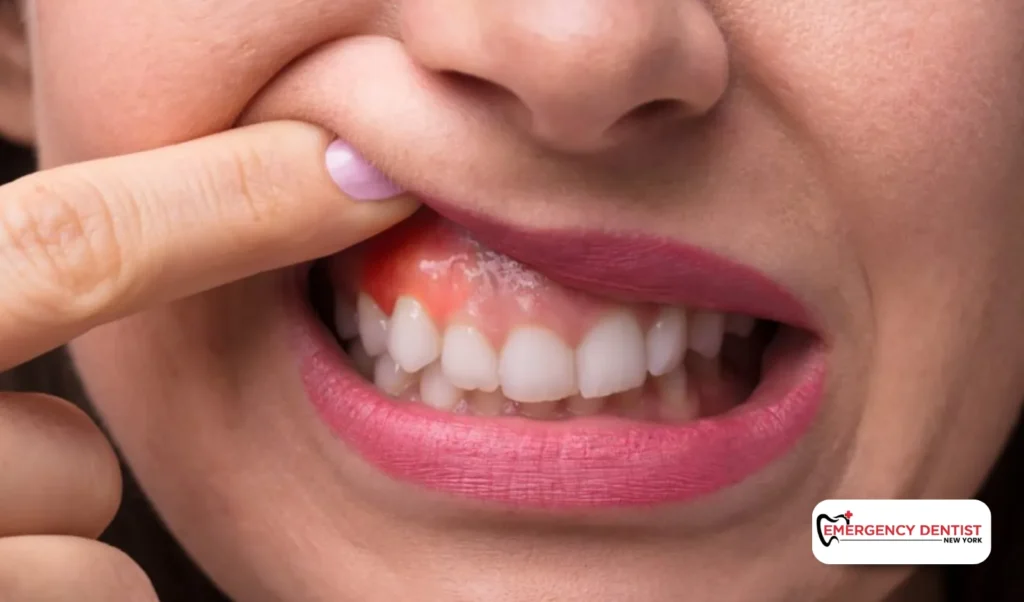
The cracked tooth syndrome symptoms can vary depending on the depth and type of tooth fracture, but common warning signs include:
- Sudden tooth pain when biting or releasing pressure
- Sensitivity to hot or cold foods or beverages
- Discomfort that occurs sporadically and is difficult to locate
- Swelling or tenderness near the gum line
- A feeling like something is stuck between teeth
Since these symptoms often mimic other dental issues, sharing your full dental history with your dentist helps ensure accurate diagnosis and treatment.
Types of Tooth Cracks
There are several types of cracked teeth, each requiring a different treatment option depending on the severity of the crack or fracture.
1. Craze Lines
These are small, superficial cracks on the surface of the tooth enamel. Usually harmless and cosmetic, craze lines can deepen if ignored, especially in people who clench or grind their teeth.
2. Fractured Cusp
A fractured cusp occurs when a section of the chewing surface breaks off, typically near a filling. Though it rarely affects the dental pulp, it can cause sensitivity and minor pain. Treatment may involve a filling or crown to restore strength and function.
3. Split Tooth
A split tooth results when a crack extends deep enough to divide the tooth into distinct segments. Depending on the depth, it may require extensive treatment or tooth extraction if the crack reaches the root.
3. Vertical Root Fracture
This serious form of tooth fracture begins at the root of the tooth and moves upward. A vertical root fracture may not cause pain initially but can lead to infection or abscess if left untreated.
Common Causes of Cracked Tooth Syndrome
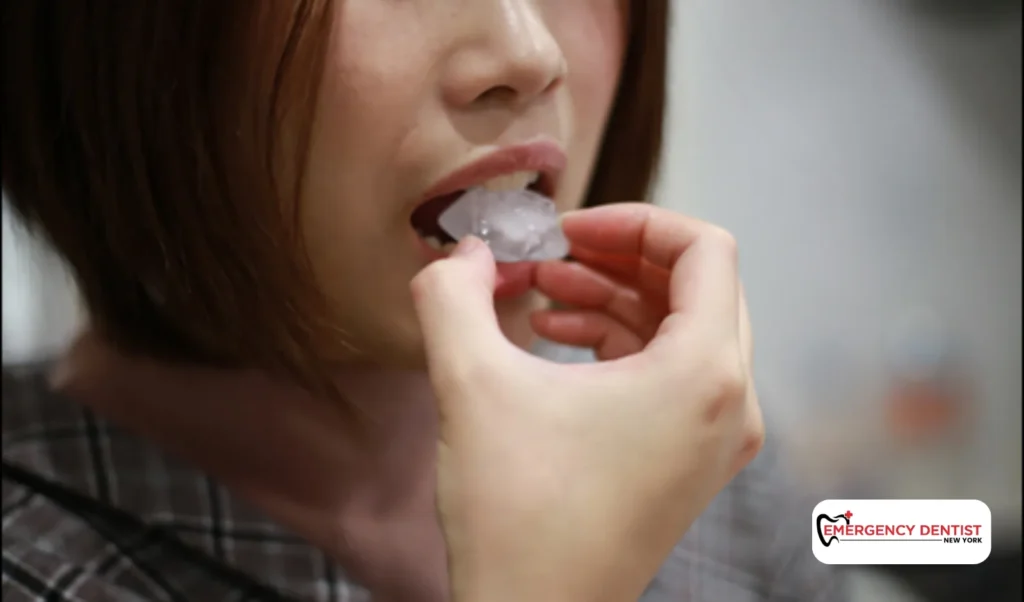
Several everyday habits and incidents can lead to cracked tooth syndrome, including:
- Chewing hard foods such as ice, nuts, or hard candy
- Chronic teeth grinding (bruxism), which weakens the surface of the tooth
- Large fillings that reduce structural integrity
- Dental trauma from accidents or sports injuries
- Natural wear and tear over time
Even a healthy tooth can suffer a crack or fracture when exposed to extreme biting pressure or sudden impact.
How Dentists Diagnose Cracked Tooth Syndrome
Diagnosing cracked tooth syndrome can be challenging because fracture lines are often invisible to the naked eye or even X-rays. Dentists use specialized methods for accurate detection, including:
- Bite pressure tests to identify pain triggers
- Magnification and lighting tools to highlight tooth cracks
- Dye staining to reveal hidden fracture lines
- Reviewing your dental history for recurring pain patterns or prior dental trauma
Modern imaging technology also helps locate tooth fractures that might otherwise remain undetected. Early diagnosis and treatment are essential to prevent further damage.
Treatment Options for Cracked or Fractured Teeth
The ideal treatment option depends on how severe and deep the tooth fracture is:
- Dental Bonding or Filling: For minor craze lines, bonding restores strength and aesthetics.
- Filling or Crown: A filling or crown can protect and reinforce a weakened tooth, preventing the crack extending deeper.
- Root Canal Treatment: If the dental pulp is infected or exposed, a root canal therapy cleans and seals the tooth, preventing further pain or damage.
- Tooth Extraction: In extreme cases, such as a split tooth or vertical root fracture, the tooth must be extracted and replaced with an implant or bridge.
The goal is to repair the fractured tooth and preserve as much natural structure as possible.
Why You Shouldn’t Leave a Cracked Tooth Untreated
A fractured cusp or small tooth fracture may seem minor, but when left untreated, bacteria can infiltrate the dental pulp, causing infection, abscesses, or bone loss. As the crack extends, the condition worsens, sometimes making tooth extraction unavoidable. Ignoring early cracked tooth symptoms can turn a simple repair into a serious dental emergency.
Emergency Dentist in Soho: Immediate Help When Needed
If you experience tooth pain or suspect a broken tooth, seek help from an Emergency Dentist in Soho right away. Quick diagnosis and treatment are crucial to stop the crack or fracture from spreading. With advanced tools, same-day crowns, and expert care, your dentist can stabilize the tooth, whether it requires a filling or crown, root canal treatment, or extraction.
Prompt attention not only relieves pain but also preserves your long-term oral health.
How to Prevent Tooth Cracks
While not every tooth fracture can be prevented, good habits help reduce your risk:
- Avoid biting hard foods or objects like pens and ice
- Wear a mouthguard at night if you grind your teeth
- Use protective gear during sports to prevent dental trauma
- Strengthen tooth enamel with fluoride treatments
- Maintain regular dental visits for early detection of cracked tooth symptoms
Conclusion
Cracked tooth syndrome (CTS) can be subtle but dangerous if ignored. By recognizing cracked tooth symptoms, like pain when chewing, sensitivity to hot or cold foods, or tenderness along the gum line, you can seek care before the crack extends to the root of the tooth.
Treatment ranges from a filling or crown to root canal treatment, depending on the severity. If you suspect a fractured tooth, contact an Emergency Dentist in Soho immediately for professional diagnosis and treatment. With timely care, you can relieve pain, protect your oral health, and restore your confident smile.