
Dentist for Cracked Tooth: Best Treatment Options Explained
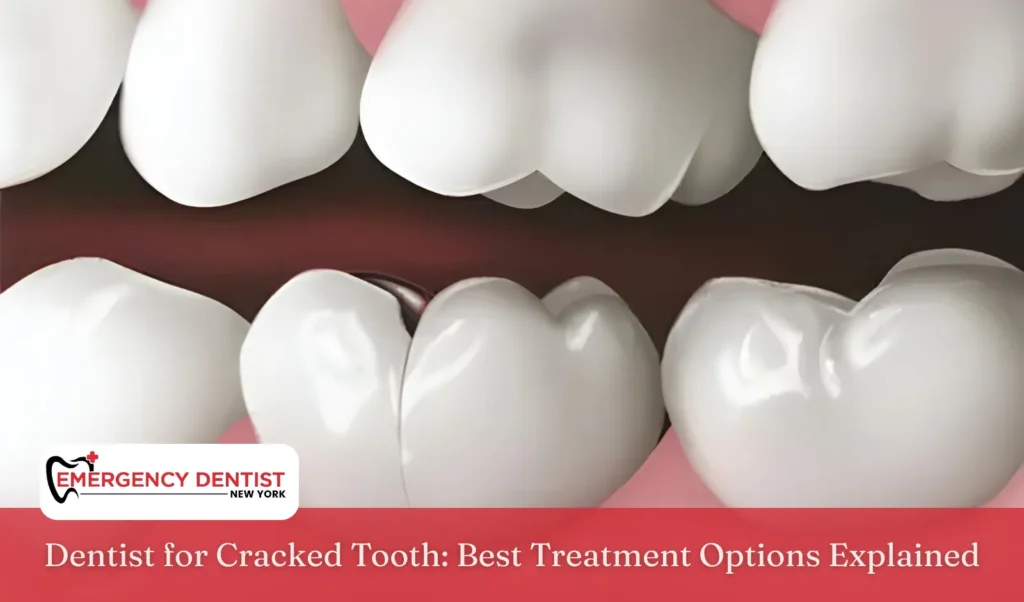
A cracked or chipped tooth can cause pain, sensitivity, and discomfort, especially when chewing or exposed to hot and cold. Ignoring the problem can make it worse over time, potentially leading to infection or tooth loss. Whether the crack is small or severe, visiting a cracked tooth dentist as soon as possible is essential for protecting your oral health. If you’ve been wondering, “Can a dentist fix a cracked tooth?” This guide explains the most effective treatment options, what to expect during your visit, and how to care for your natural tooth for the long term.
What Causes a Cracked Tooth?
Your tooth enamel is one of the strongest materials in your body, but it’s not unbreakable. Cracks can develop from biting hard foods, clenching or grinding your teeth, or even sudden impact from an accident. Over time, everyday wear can also cause craze lines, tiny, shallow cracks that appear on the enamel’s surface.
While craze lines are often harmless, they can worsen if left untreated. If you experience pain while chewing, sensitivity to temperature, or see visible cracks, it’s time to visit a dentist for a cracked tooth evaluation. Ignoring the problem could allow bacteria to reach the root of the tooth, leading to infection or structural damage.
Types of Cracked Teeth
Not all cracks are the same, and each type requires a specific treatment option. Here are the most common types:
- Craze lines: Minor surface cracks that rarely need treatment.
- Fractured cusp: A piece of the chewing surface breaks off, often near a filling.
- Split tooth: A deep crack that divides the tooth into separate parts.
- Vertical root fracture: A crack that starts in the root of the tooth and extends upward toward the chewing surface.
How Does a Dentist Fix a Cracked Tooth?
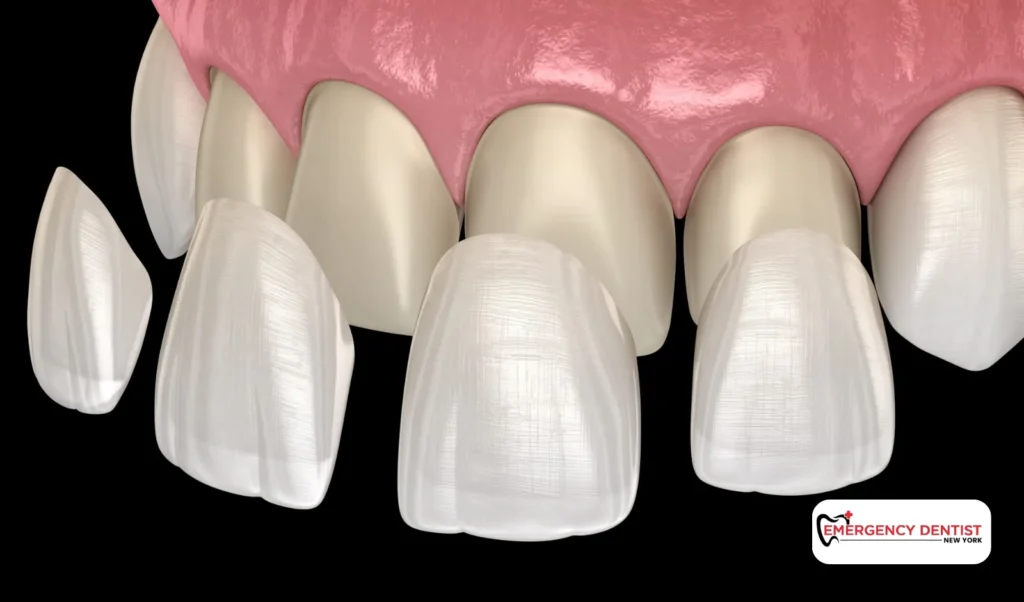
When you visit a cracked tooth dentist, they’ll start with an exam and X-rays to see how deep the crack extends. Based on what they find, your dentist will recommend the best treatment option to fix the damaged tooth and prevent more problems.
- Dental Bonding
For small cracks or chips, dental bonding is a quick and affordable fix. The dentist applies a tooth-colored resin to fill the crack and hardens it with a special light. This painless treatment restores your tooth’s shape and prevents the crack from spreading, ideal for chipped or broken teeth that only affect the outer enamel.
- Dental Crowns
If the crack is deeper or weakens the tooth, a dental crown may be needed. A crown covers the entire damaged tooth, restoring its strength and appearance. It’s especially useful for fractured cusps, large cracks, or teeth that had a root canal. Sometimes, a temporary crown is used while the permanent one is made.
- Dental Veneers
For cracks or chips in front teeth, dental veneers provide both protection and a cosmetic fix. These thin porcelain shells bond to the surface of the tooth, hiding imperfections and strengthening weak enamel.
If the crack reaches the pulp, where the nerves and blood vessels are, root canal therapy is necessary. The dentist removes the damaged tissue, cleans the canal, and seals it. A dental crown is usually added afterward to strengthen and protect the tooth.
- Tooth Extraction and Implants
When the damage is too severe, like a split tooth or vertical root fracture, tooth extraction may be the only choice. After healing, your dentist can replace the tooth with a dental implant, bridge, or denture to restore your smile and keep your oral health strong.
Aftercare and Healing Tips
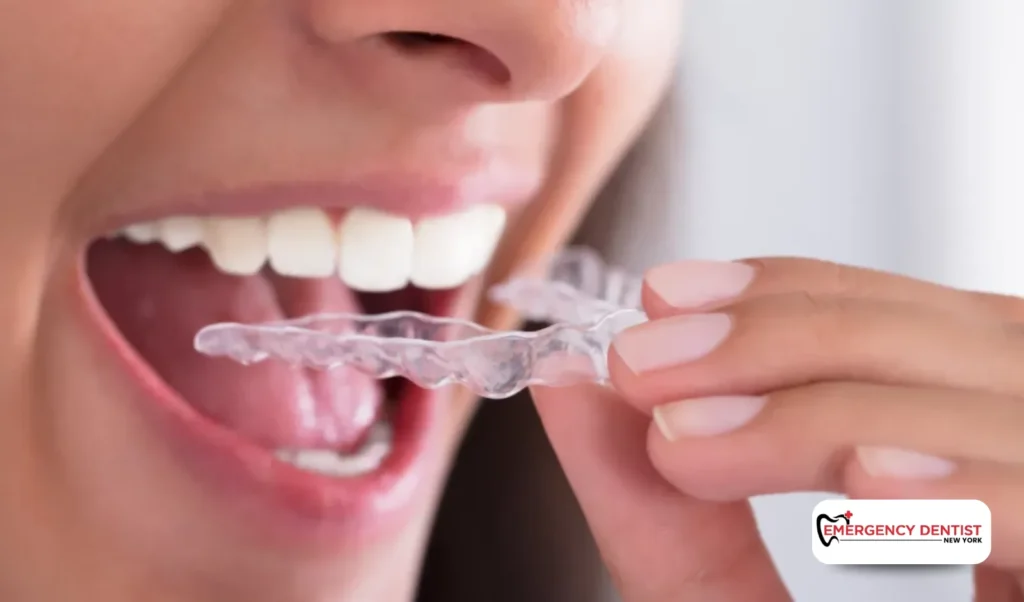
After your treatment, following proper dental care can help your tooth heal and stay strong:
- Rinse your mouth with warm salt water to reduce swelling and bacteria.
- Avoid chewing hard foods or using the treated side until fully healed.
- Brush gently with a soft-bristled toothbrush.
- Visit your dentist regularly for checkups and professional cleanings.
Good oral health habits ensure your treatment lasts and prevent new cracks from forming.
When It’s a Dental Emergency
If you have a chipped or broken tooth with severe pain, swelling, or bleeding, it could be a dental emergency. These symptoms may indicate that the crack extends into the root of the tooth or has caused an infection.
Contact an Emergency Dentist in Soho immediately for professional care. Early treatment can save the tooth, reduce pain, and prevent long-term complications.
Conclusion
So, can a dentist fix a cracked tooth? Absolutely. With advanced dental treatments like bonding, veneers, dental crowns, and root canal therapy, most cracks can be successfully repaired. Even if tooth extraction becomes necessary, a dental implant can restore your smile beautifully.
A cracked tooth doesn’t always mean losing it. With timely dental care, proper aftercare, and regular checkups, you can protect your natural tooth, improve your oral health, and keep your smile strong for years to come.