How to Tell If a Tooth Is Cracked: Expert Repair Guide
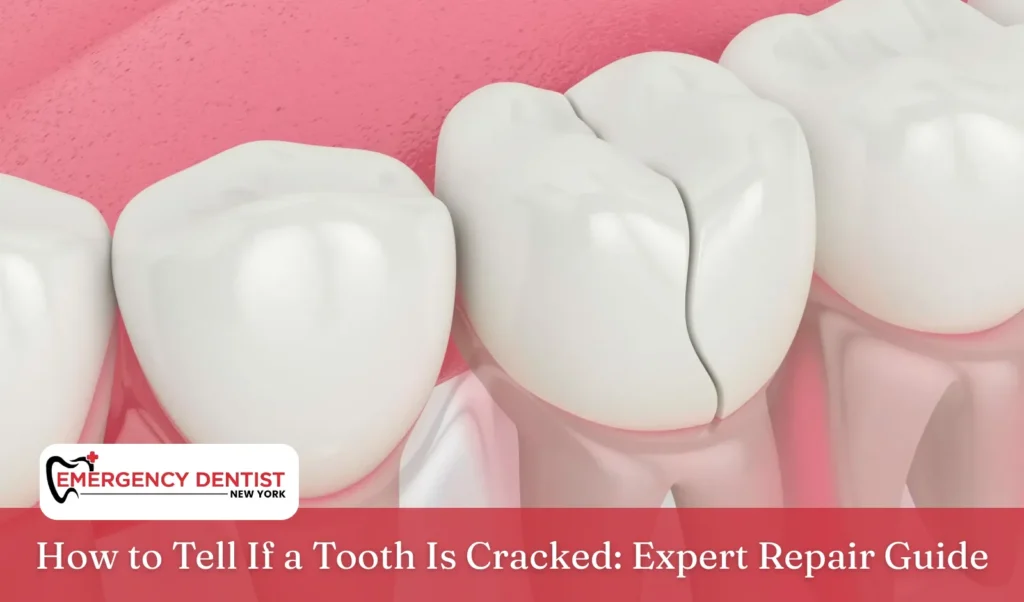
A cracked tooth might not cause immediate pain, but that doesn’t mean it’s harmless. Damage to your tooth enamel can expose the layers beneath, making your tooth vulnerable to bacteria, decay, and infection. Recognizing early signs of a cracked tooth can help you prevent further complications and save the tooth before it worsens.
In this guide, you’ll learn how to tell if a tooth is cracked, what symptoms to watch for, and the best treatment options available. Whether the damage is minor or severe, visiting an Emergency Dentist in Soho ensures you get the right pain-free care to restore your oral health.
Why Cracked Teeth Need Prompt Attention
Your teeth are strong, but they’re not unbreakable. Everyday habits, like chewing hard foods or clenching your jaw, can put pressure on them and cause cracked or fractured areas. Once a tooth is damaged, bacteria can enter through the crack and lead to infection, which can compromise both the tooth and surrounding gums.
Acting quickly is essential. Early diagnosis can mean the difference between a small repair and a major dental issue that could result in losing the tooth entirely.
How to Tell If Tooth Is Cracked

Not all cracks are easy to spot. Some appear on the surface of the tooth, while others hide beneath the gum line, making them hard to detect without a dental exam. Many people assume that no pain means no problem, but even a tiny fracture can cause trouble if left untreated.
Minor surface marks called craze lines are usually harmless and affect only the enamel. However, when cracks reach the inner layers of the tooth, they can trigger sensitivity, pain, or even infection. The deeper the tooth fracture, the greater the potential for damage.
Symptoms of a Cracked Tooth
Recognizing the symptoms of a cracked tooth can help you seek treatment early. Watch for:
- Pain when chewing or biting that comes and goes
- Sensitivity to hot or cold foods
- Swollen gums or tenderness near the affected area
- A dull ache that seems to move between teeth
- Visible cracks or lines on the surface of the tooth
If you experience one or more of these warning signs, visit a dentist promptly to prevent further damage.
Types of Cracks You Might Have

Dentists classify cracked teeth based on their depth and severity. The most common types include:
- Craze Lines: Small, painless surface cracks that usually don’t need treatment.
- Fractured Cusp: A portion of the tooth breaks off near a filling but doesn’t affect the root.
- Cracked Tooth: A deeper fracture starting at the crown that may extend toward the gum line.
- Split Tooth: A severe crack dividing the tooth into two parts, often requiring extraction.
- Vertical Root Fracture: A crack beginning at the root and moving upward, sometimes with few symptoms until it leads to infection.
When small internal fractures cause pain without visible damage, dentists may diagnose Cracked Tooth Syndrome (CTS).
What Happens If You Leave It Untreated
A cracked tooth will not heal on its own. If left untreated, bacteria can enter the crack, infecting the pulp and surrounding bone. This can cause swelling, pain, and, in severe cases, bone loss or abscess formation.
Over time, the infection may spread, requiring more advanced treatment such as root canal therapy or, if the tooth cannot be saved, tooth extraction. Early intervention ensures that your dentist can save the tooth and keep you pain free.
Treatment for a Cracked Tooth
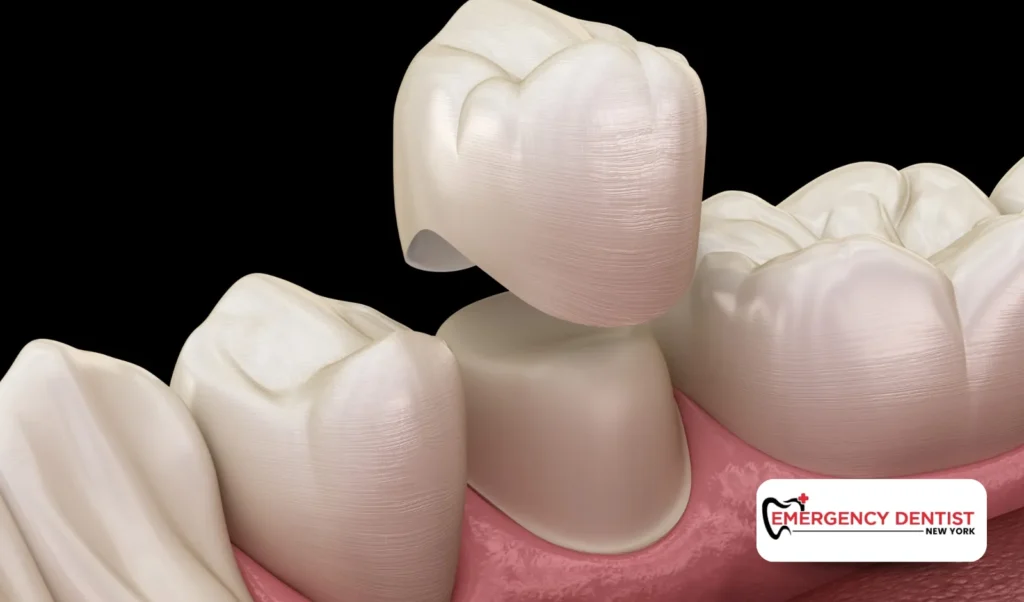
Dentists offer several treatment options depending on the severity and depth of the fracture:
- Dental Bonding: Ideal for small cracks; resin is applied to restore strength and appearance.
- Dental Crowns: Protect the tooth from further damage by covering the entire structure.
- Root Canal Therapy: Removes infected pulp and seals the tooth to prevent reinfection.
- Tooth Extraction: Recommended when the damage is too extensive, as with a split tooth.
Your Emergency Dentist in Soho will evaluate the condition and determine the most effective way to repair the damage and restore your comfort.
How to Prevent Cracked Teeth
Prevention is always better than repair. To avoid cracked teeth, follow these tips:
- Don’t chew on hard foods or objects like ice, pens, or popcorn kernels.
- Use a custom-fitted nightguard if you grind your teeth.
- Keep your tooth enamel strong with fluoride toothpaste and proper nutrition.
- Schedule regular dental checkups for early detection of cracks or wear.
These small steps can protect your teeth from stress and help maintain a strong, healthy smile.
When to See an Emergency Dentist in Soho
You should visit an Emergency Dentist in Soho right away if you experience:
- Sharp or recurring pain when chewing
- Swollen gums or visible cracks
- Lingering sensitivity after consuming hot foods or cold drinks
- A noticeable line or chip along the surface of the tooth
Prompt care ensures the problem doesn’t worsen and keeps your smile pain free.
Conclusion
Knowing how to tell if a tooth is cracked helps you act before a small problem becomes a major one. Even minor cracks can progress and lead to infection if ignored. By recognizing the symptoms of a cracked tooth early and seeking professional care, you can prevent lasting damage and save the tooth.
If you’re wondering, how do you know if you cracked a tooth, look for discomfort when chewing, sensitivity, or visible damage. Don’t wait, visit an Emergency Dentist in Soho for a quick, pain-free evaluation and the best treatment options for your oral health.