

After Tooth Extraction White Gums: Quick Recovery Signs
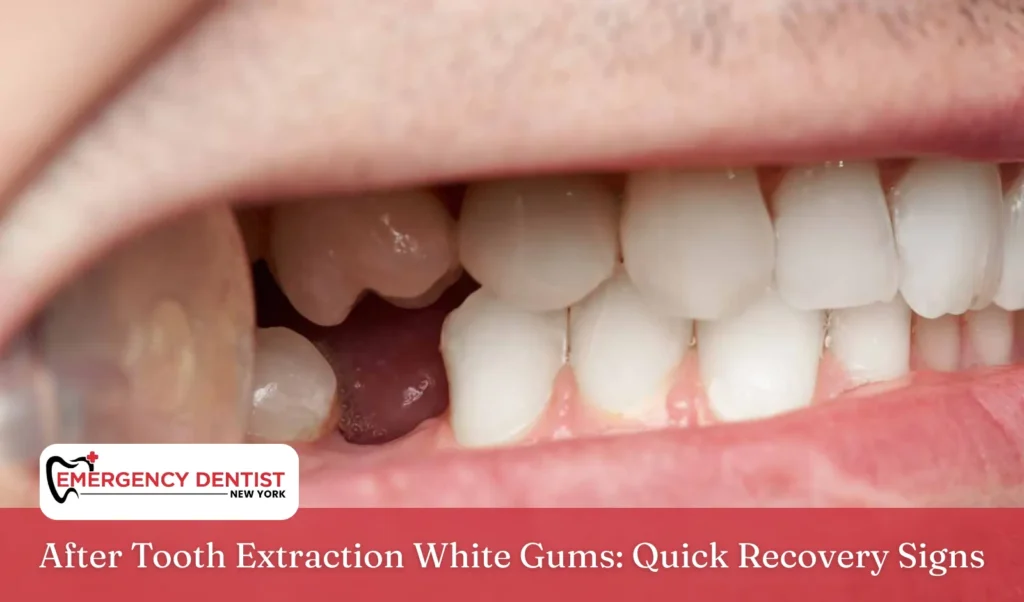
After tooth extraction, white gums can be a concern for many people. If you’ve recently had a tooth pulled or your wisdom teeth removed, you might notice white patches or tissue forming in the extraction site. While this can look unusual, white gums after tooth extraction are often a normal part of the healing process. Still, understanding what’s normal and what could signal an issue like infection or dry socket is important for your oral health.
Why White Gums After Tooth Extraction Appear
When a tooth is removed, the body starts repairing the area almost immediately. Within minutes, a blood clot forms in the tooth extraction site, acting as a natural bandage that protects the bone and nerves underneath. This step is crucial because the clot provides a foundation for tissue repair and helps prevent infection.
As days pass, you might see white gums or white stuff in the socket. This is usually granulation tissue, which contains white blood cells, collagen, and new gum tissue that rebuilds and seals the wound. The formation of granulation tissue is an essential part of the healing process, showing that your body is recovering as expected.
Normal Healing Process
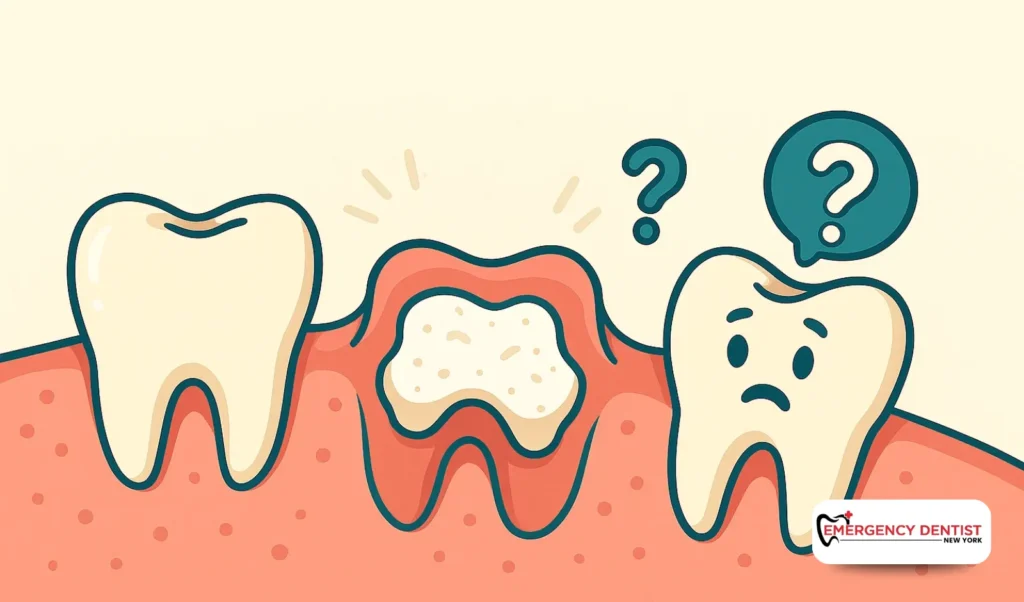
Seeing white gums after tooth extraction typically means your body is healing properly. Beneath the surface, several things are happening:
- Blood vessels deliver oxygen and nutrients to help repair the area.
- White blood cells destroy bacteria and prevent infection.
- Gum tissue slowly fills the socket and covers the area where the tooth was pulled.
During the first week, it’s normal to see a pale or whitish layer where granulation tissue is forming. This may look different depending on the size of the extraction site and your general health. If you’ve had wisdom teeth removed, the sockets are larger, making white gums and tissue more noticeable. Typically, this stage lasts from a few days to a couple of weeks as the wound continues to strengthen.
When White Gums Might Signal a Problem
While white gums often indicate healthy recovery, sometimes they can suggest an issue that requires attention.
1. Infection or Dry Socket
If you feel persistent pain, swelling, or notice a foul smell or taste, it could mean an infection or dry socket has developed. This happens when the blood clot doesn’t form properly or is lost too soon, leaving the bone and nerves exposed.
2. Food Debris
Bits of food debris can sometimes become lodged in the tooth extraction site, appearing as white stuff. If not rinsed away carefully, they can delay healing or irritate the tissue.
3. Dislodged Blood Clot
If you accidentally dislodge the blood clot, you might experience severe discomfort. Without the clot, the socket is vulnerable, and dry sockets may develop, leading to intense pain that radiates to your ear or jaw.
At-Home Care for a Smooth Recovery
Supporting proper healing after an extraction is simple but requires care and consistency. Follow these essential tips to help your gums recover effectively:
1. Rinse Your Mouth Carefully
After the first 24 hours, gently rinse your mouth with warm salt water to keep the area clean. Avoid vigorous rinsing that could loosen the blood clot.
2. Stick to Soft Foods
Eat soft foods such as yogurt, smoothies, mashed potatoes, and soup. This helps prevent irritation or pressure on the healing site.
3. Avoid Smoking and Straws
Suction from straws and cigarette smoke can dislodge the blood clot, increasing your risk of dry sockets.
4. Practice Gentle Brushing
Maintain good oral hygiene but brush carefully around the extraction site. This prevents bacteria buildup while keeping the area protected.
5. Rest and Hydrate
Plenty of water and rest help your body focus on recovery. Avoid alcohol and overly hot beverages that may irritate your gum tissue.
By following these steps, you help ensure that your gums heal naturally and that white gums after tooth extraction are simply a normal part of your recovery.
When to See a Professional
Although most patients heal without issues, you should contact a dentist if you notice:
- Increasing or throbbing pain a few days after surgery
- Persistent bad taste or bad breath
- Ongoing bleeding that doesn’t stop
- Exposed bone or tissue in the socket
These may be signs of infection or dry socket, both of which need professional attention. Early treatment from an Emergency Dentist in Soho can relieve pain, protect your oral health, and speed up healing.
Conclusion
Noticing white gums after tooth extraction is typically a normal and healthy part of recovery. The white layer you see is granulation tissue and white blood cells working together to rebuild and protect the socket. However, it’s important to stay aware of warning signs such as infection or dry socket, especially if you experience unusual pain or swelling. Failing to protect the blood clot can sometimes cause you to develop dry socket, a painful condition that delays healing.
With proper aftercare, rinsing your mouth gently with warm salt water, eating soft foods, and keeping the blood clot intact, you can help your gum tissue heal properly and avoid complications. If you notice any persistent pain or unusual symptoms, don’t hesitate to contact an Emergency Dentist in Soho to ensure your recovery stays on track and your smile heals comfortably and safely.
Frequently Asked Questions
Is it normal to see white gums after a tooth extraction?
Yes. The appearance of white gums is usually due to granulation tissue, showing that your tooth extraction healing is progressing properly.
How can I tell if it’s healing normally or infected?
If pain and swelling decrease daily, you’re likely healing normally. However, persistent pain, odor, or swelling may indicate infection or dry socket.
How can I prevent dry sockets?
Avoid smoking, skip straws, eat soft foods, and rinse your mouth gently with warm salt water to protect the clot and aid healing properly.