
Best Medicine for Tooth Pain: Fast Relief
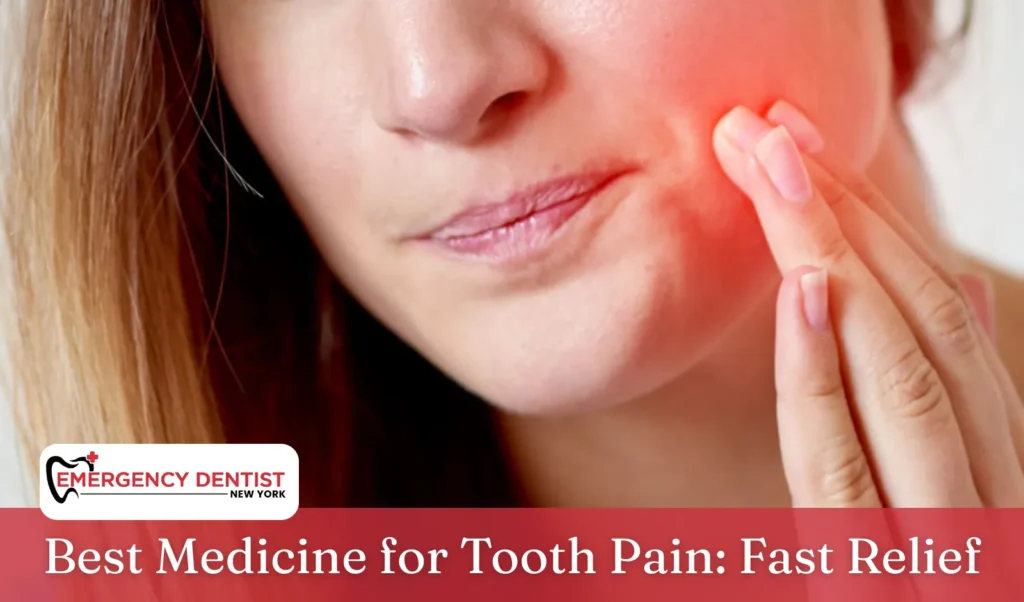
Tooth pain can appear suddenly, sometimes sharp and throbbing, other times dull and persistent. Whether it’s caused by a cavity, infection, or wisdom tooth, finding the right medicine for tooth pain can make a big difference in comfort and daily function.
In this article, we’ll explore the best meds for tooth pain, what to take for tooth pain, and simple home remedies for toothaches that can help manage discomfort until you visit an Emergency Dentist in Soho.
Common Causes of Tooth Pain

Before choosing a tooth pain medicine, it’s helpful to know what’s causing the issue. Common sources of dental discomfort include:
- Cavities or tooth decay
- Gum disease
- Cracked or broken teeth
- Wisdom tooth pain
- Abscess or bacterial infection
- Recovery after dental procedures (like tooth extractions or root canals)
No matter the cause, managing pain is crucial for daily comfort until professional treatment can address the root issue.
Top Over-the-Counter Tooth Pain Relief Medicines
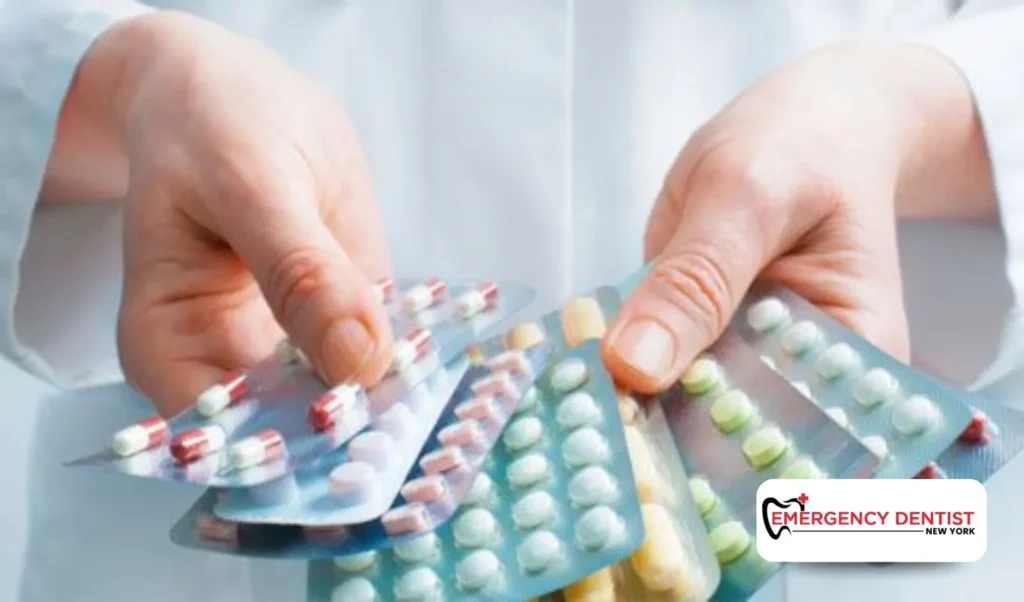
When it comes to tooth pain relief medicine, over-the-counter drugs are often the first choice. They help in reducing pain and inflammation quickly and safely.
- Ibuprofen for Tooth Pain
A common counter pain reliever, ibuprofen (sold under brands like Advil for tooth pain) is one of the best pain meds for tooth pain. It’s a nonsteroidal anti-inflammatory drug (NSAID) that reduces both pain and inflammation, making it ideal for swelling caused by gum disease, trauma, or an affected area around the tooth.
Why it works:
Ibuprofen blocks prostaglandins, the body’s chemicals that trigger pain signaling and inflammation.
Tip: Take ibuprofen with food or water to prevent stomach irritation and always follow the label’s dosage instructions.
- Acetaminophen (Tylenol)
If you can’t take NSAIDs, acetaminophen (Tylenol) is a trusted alternative for managing tooth pain. Although it doesn’t reduce inflammation, it helps by blocking pain signaling in the brain, making it an effective tooth pain medication for general discomfort.
Pro tip:
Some dentists recommend alternating ibuprofen and acetaminophen to achieve better pain management, but consult your healthcare provider first.
Prescription Medication for Tooth Pain
When over-the-counter medicines don’t work, your dentist may prescribe stronger options to relieve discomfort.
- Tramadol for Tooth Pain
Tramadol for tooth pain is a prescription opioid used for moderate to severe cases. It’s highly effective but comes with possible side effects, such as nausea, dizziness, or drowsiness.
Since tramadol can be habit-forming, it should only be used short-term and under dental supervision.
- Steroid Anti-Inflammatory Drugs
For severe pain or infection, your dentist may prescribe corticosteroids. These drugs are stronger than NSAIDs and are especially helpful in reducing inflammation after dental procedures like extractions or root canal treatments.
They’re typically used when the swelling is caused by an infection that over-the-counter medication can’t control.
Natural Home Remedies for Toothaches
If you can’t get to a dentist immediately, there are several home remedies for toothaches that can provide temporary relief and comfort.
Salt Water Rinse
A salt water rinse is one of the simplest ways to clean your mouth and reduce swelling. Salt acts as a natural disinfectant, flushing out bacteria and soothing the affected area.
How to use:
Mix a teaspoon of salt in warm water, rinse your mouth for 30 seconds, then spit it out. Repeat this a few times a day for reducing pain and inflammation.
Ice Pack or Cold Compress
Applying a cold compress to the outside of your cheek can help numb the area and reduce swelling.
How to use:
Wrap ice cubes in a towel and hold it on the painful area for 15 minutes at a time. This method helps decrease blood flow to the area, easing pain and swelling effectively.
Clove Oil
Clove oil is a well-known tooth pain remedy thanks to eugenol, a natural compound that acts as an antiseptic and anesthetic. It’s one of the best natural ways to numb the area and relieve tooth discomfort.
How to use:
Soak a cotton ball in a few drops of clove oil and gently press it against the affected area for several minutes. Avoid swallowing it and rinse afterward.
Elevate Your Head
Keeping your head elevated while resting prevents blood from pooling near the affected area, which helps reduce throbbing and pressure from tooth pain.
What’s the Best Pain Reliever for Tooth Pain?
Here’s a quick summary of the best medication for tooth pain depending on your symptoms:
Symptom | Best Meds | Notes |
General discomfort | Acetaminophen (Tylenol) | Works for mild to moderate pain |
Swelling and inflammation | Ibuprofen (Advil) | Best for reducing inflammation |
Severe pain | Tramadol | Short-term use under supervision |
Infection or severe swelling | Steroid anti-inflammatories | Prescription only |
Natural temporary relief | Salt water rinse, clove oil, ice pack | Helps while waiting for care |
These tooth pain medicines work well for symptom control, but they don’t fix the underlying problem.
When to See an Emergency Dentist in Soho

While tooth pain medicine can ease symptoms, it’s not a permanent solution. If pain lasts more than two days or is accompanied by swelling, fever, or difficulty swallowing, it’s time to schedule an appointment with an Emergency Dentist in Soho.
You may need:
- A root canal to remove infection
- A tooth extraction for severely damaged teeth
- Deep cleaning for gum disease or infection
These treatments target the true cause, not just the symptoms.
Final Thoughts
Choosing the best medication for tooth pain depends on the cause and intensity of your discomfort. For most people, ibuprofen for tooth pain is effective at reducing inflammation and easing pain quickly.
However, remember that medications and home remedies for toothaches only provide temporary relief. For lasting results, you’ll need professional dental care to address the root cause.
While waiting for your appointment, try a salt water rinse, clove oil, or cold compress to ease the pain. But for complete recovery, trust an Emergency Dentist in Soho to provide expert treatment and restore your oral health.