

Can a Cracked Tooth Heal Itself? Dental Care Guide

A cracked tooth can be worrying, especially if you feel sudden pain while chewing or see a small line on your tooth. Many people ask, “Can a cracked tooth heal itself?” Unfortunately, it can’t. Once a tooth cracks, it won’t heal on its own. While small cracks may not always need treatment, most require professional dental care to prevent pain, infection, or even tooth loss.
Understanding Tooth Cracks and Enamel
Tooth enamel is the hardest substance in your body and acts as a shield to protect the softer layers underneath. Beneath the enamel are the dentin and pulp, which contain blood vessels and nerves that keep your tooth alive and healthy. When the enamel is damaged, bacteria can get inside these layers, which may cause infection or swelling if not treated quickly.
Tooth cracks can happen for many reasons, biting down on hard foods, teeth grinding (called bruxism), or from an accident. Even a small chipped or broken tooth can get worse over time because of chewing pressure or temperature changes, increasing the risk of pain or infection.
Types of Cracks and Their Severity
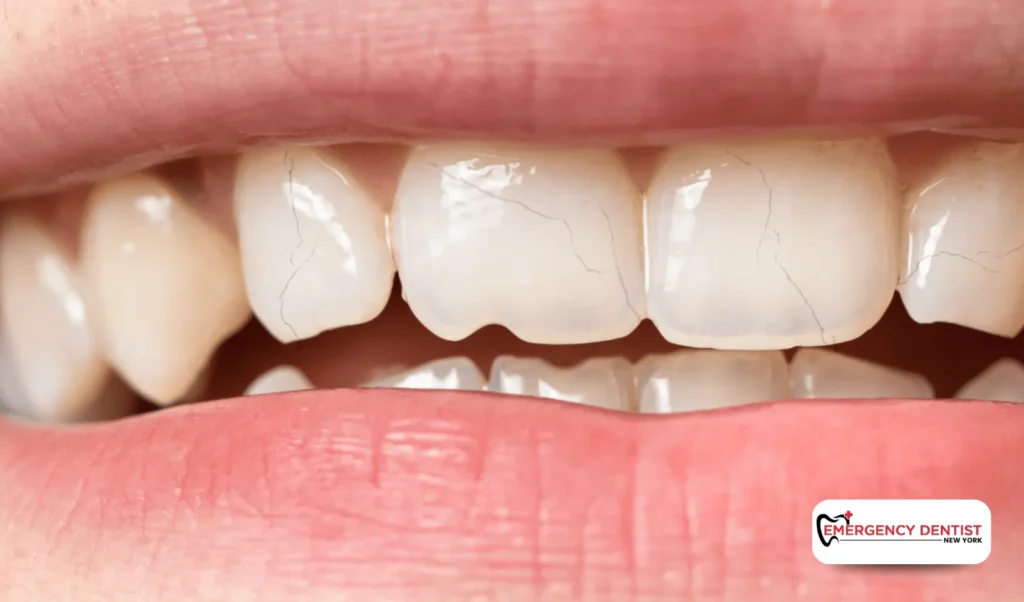
Not every crack is the same. The type of crack determines the dental treatment needed to save the tooth:
- Craze Lines: Very small cracks limited to the enamel. These are cosmetic and don’t require treatment.
- Fractured Cusp: A small piece of enamel near a filling breaks off. It usually doesn’t reach the pulp but may need a dental crown for protection.
- Cracked Tooth: A deeper vertical crack that runs toward the gum line without splitting the tooth. Early treatment is essential to prevent infection.
- Split Tooth: A severe case where the tooth separates into distinct parts. It cannot heal and often needs tooth extraction or replacement with a dental implant.
Can a Cracked Tooth Heal Itself?
So, can a cracked tooth heal itself? The answer is no. Tooth enamel cannot regenerate or repair itself once damaged. Even if the discomfort fades, the crack remains and can worsen with time. Chewing pressure or grinding can deepen the fracture, exposing the blood vessels and nerves inside.
Small surface lines may not cause issues, but deeper fractures require immediate dental treatment. Ignoring them can lead to infection, abscess formation, or even total tooth loss.
Recognizing the Symptoms of a Cracked Tooth

A cracked tooth may not always be easy to detect. Common signs include:
- Sharp pain when biting or chewing
- Sensitivity to hot or cold foods
- Discomfort that comes and goes
- Swelling near the gums
If you experience these symptoms, it may be a dental emergency. Seeking timely treatment helps prevent infection and ensures your oral health is protected.
How Dentists Fix a Cracked Tooth
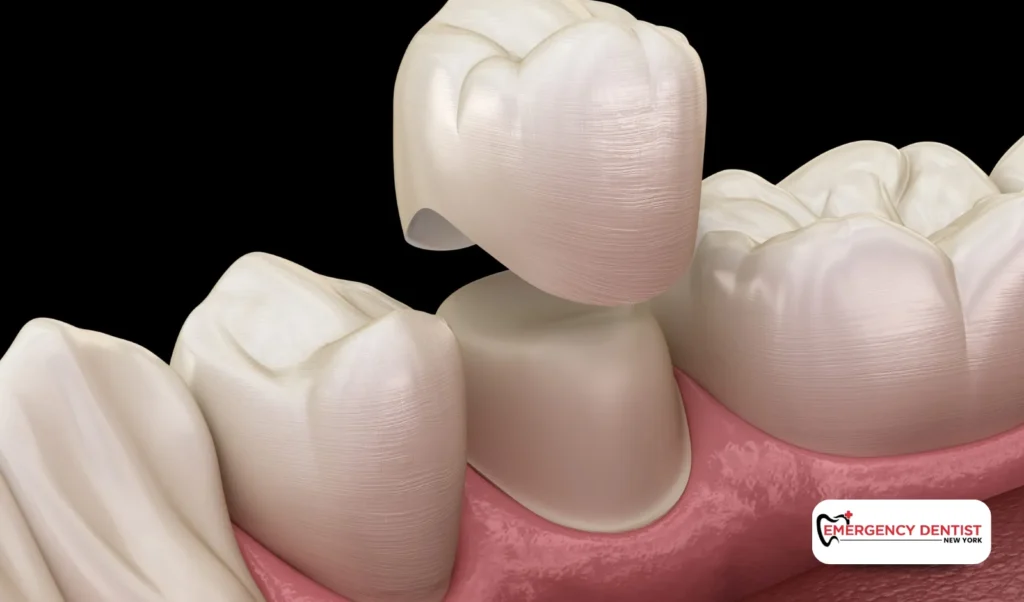
Dentists use visual exams, bite tests, and X-rays to find cracks and decide the best dental treatment. Depending on how serious the damage is, they may recommend one of the following:
- Dental Bonding: For small cracks, a tooth-colored filling seals and strengthens the enamel while improving appearance.
- Dental Crowns: For deeper cracks, a dental crown covers the tooth, protects it from further damage, and restores its shape and strength.
- Root Canal Therapy: If bacteria reach the pulp, root canal therapy removes the infection, cleans the area, and seals it to save the tooth.
- Tooth Extraction and Dental Implants: In severe cases like a split tooth, the tooth may need to be extracted. A dental implant or bridge can replace it to restore your smile and function.
Why Immediate Care Matters
Delaying treatment gives bacteria more time to spread deeper into the tooth, which can cause infection, swelling, and ongoing pain. Once bacteria reach the pulp, they can harm the nerves and blood vessels inside, leading to abscesses or even bone loss around the tooth. If left untreated, this can result in tooth loss and more complicated dental issues. Getting early treatment helps fix a cracked tooth, ease pain, and protect your natural teeth, often preventing the need for more serious or costly dental work later on.
At-Home Care Before Your Appointment
While waiting to see your dentist, you can reduce discomfort and prevent complications by:
- Rinsing with warm salt water to clean the area
- Avoiding chewing on the affected side
- Eating soft foods
- Applying a cold compress if swelling occurs
Then, schedule your appointment promptly with an Emergency Dentist in Soho for proper evaluation and treatment.
Preventing Future Tooth Cracks
Good oral hygiene and protective habits can reduce the risk of future cracks:
- Wear a night guard if you grind your teeth.
- Avoid chewing on ice, pens, or hard candies.
- Brush gently and floss daily to protect your enamel and gums.
- Use fluoride toothpaste to strengthen tooth enamel.
- Visit your dentist regularly for cleanings and exams.
Conclusion
So, can a cracked tooth heal itself? Unfortunately, it cannot. Once tooth enamel is damaged, it does not regrow. While small surface lines may be harmless, deeper cracks can expose the inner layers that contain blood vessels and nerves, which may lead to infection, pain, or even tooth loss if left untreated.
The good news is that modern dental care provides effective solutions for tooth repair. Treatments such as dental bonding, crowns, and root canal therapy can fix cracks, relieve pain, and restore your oral health.
If you notice tooth sensitivity or suspect a crack, do not delay. Schedule an appointment with an Emergency Dentist in Soho for expert care and the appropriate dental treatment to protect your smile.