

Chipped Tooth No Pain Molar?
Why It Still Needs Attention
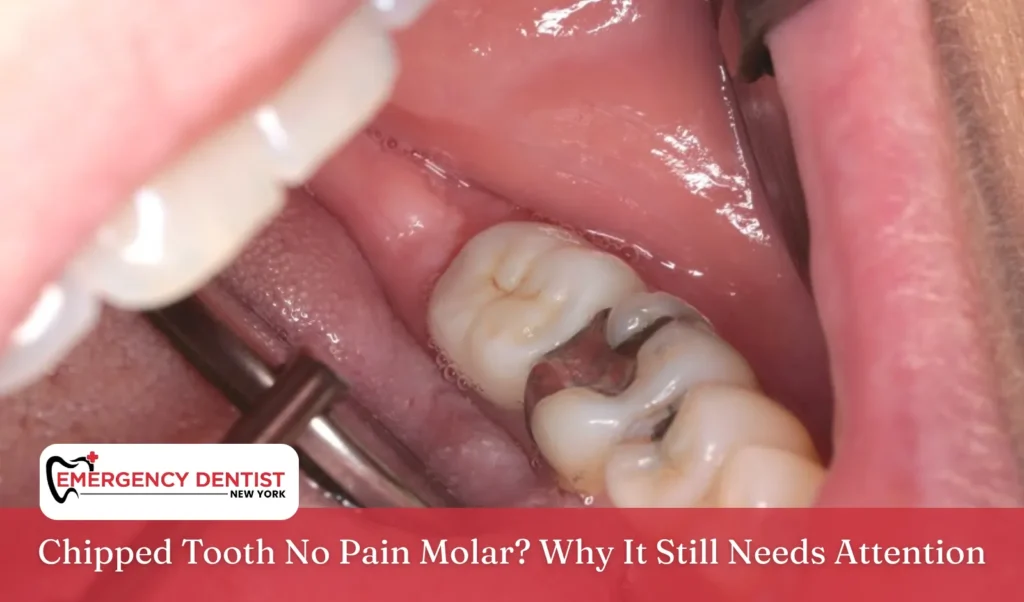
It’s easy to overlook a molar with a small chip, especially when there’s no discomfort, swelling, or visible bleeding. Many people experience a chipped tooth no pain molar situation and assume it’s not urgent. However, even a minor chip or crack in your molar can weaken the tooth’s structure over time and lead to bigger dental complications if not treated promptly.
In this guide, you’ll learn why you shouldn’t ignore a chipped or cracked molar tooth without pain, what causes these issues, how to prevent further damage, and why it’s important to seek help from an Emergency Dentist in Soho.
Can a Chipped Molar Tooth Cause No Pain?
Yes, it is very common to chip a tooth and not feel any discomfort. This often happens when the enamel, the protective outer layer, gets damaged, but the inner layers, including the tooth’s nerve, are not affected yet. Because the nerve is protected, there may be no pain at all.
But just because there’s no pain doesn’t mean the tooth is healthy. You may notice a rough surface, a sharp edge, or a visible crack or chip, yet still feel nothing. This false sense of security can delay treatment, potentially allowing decay, bacteria buildup, or deeper cracks to form.
Why You Should Never Ignore a Chipped Molar Tooth
Your molars are responsible for heavy chewing and grinding. Even a small chip or crack can weaken the tooth’s structure. Over time, chewing pressure could turn a minor crack or chip into a deeper fracture, increasing the risk of decay or infection.
If left untreated, a chipped molar tooth no pain may result in:
- A deeper and more dangerous cracked tooth
- Tooth decay and cavities
- Painful sensitivity when eating
- Damage to the inner nerve, requiring a root canal
- Gum irritation or infection
- Complete tooth fracture, possibly requiring extraction
What starts as a harmless chip can quickly become a costly and painful dental problem.
Common Causes of Cracked or Chipped Molar Teeth
You might chip or crack a tooth for many reasons, even during normal daily activities. Some of the most common causes include:
- Chewing Hard Foods
Hard candies, ice cubes, nuts, and bones put extreme pressure on the molars, often leading to cracked teeth.
- Teeth Grinding (Bruxism)
Clenching or grinding, often done while sleeping, can wear down and weaken molars over time.
- Accidents or Sports Injuries
Falls, facial trauma, or injuries during contact sports can cause a sudden and severe chip or crack.
- Old or Weak Fillings
Older fillings may weaken the tooth structure, making it easier to chip or fracture while chewing.
- Age-Related Wear and Tear
As enamel thins with age, molars become more vulnerable to cracks and fractures, even from everyday chewing.
- Tooth Decay or Existing Damage
Decay softens the tooth and increases the risk of chipping, even during normal eating.
Even simple chewing can cause a chip or crack if the tooth is already weakened.
Risks of Leaving a Chipped Molar Untreated
Ignoring a chipped tooth with no pain molar can lead to much bigger problems, even when there’s no discomfort at first. Here are the potential risks:
- Worsening or deeper spread of the crack
- Increased risk of tooth decay
- Nerve irritation or inflammation
- Infection or dental abscess
- Greater chance of needing a root canal
- Higher cost if treatment is delayed
- Possible tooth loss
A chipped tooth may look small, but internal damage often goes unnoticed. Early treatment offers the best chance of saving the tooth.
How to Prevent Further Damage While Waiting for Treatment
If you suspect a chipped molar tooth no pain, here are some simple steps to protect it until you can visit a dentist:
- Avoid chewing on the affected side.
- Stick to soft foods; avoid nuts, chips, or hard candies.
- Rinse with warm salt water to help keep bacteria away.
- Use dental wax to cover sharp edges.
- Take over-the-counter pain relievers if discomfort appears.
- Schedule a visit with an Emergency Dentist in Soho promptly.
These steps won’t fix the problem but can help prevent further damage until professionally evaluated.
Treatment Options for a Chipped or Cracked Molar Tooth
Treatment depends on how deep the chip or crack goes. Common options include:
- Dental Bonding
Dental bonding is ideal for small chips or minor surface cracks. A tooth-colored composite resin is applied and shaped to restore the tooth’s natural appearance and function. It is a quick, painless, and cost-effective solution that strengthens the tooth and prevents further damage.
- Dental Crown
For larger chips or deeper cracks, especially on molars that handle heavy chewing pressure, a dental crown is recommended. A crown fully covers the tooth, protecting it from further fracture and restoring both its strength and appearance. It is a durable, long-term solution for damaged teeth.
If the crack or chip extends deep enough to reach the pulp or nerve of the tooth, it can cause infection or inflammation. In such cases, a root canal may be needed to remove the infected tissue and save the tooth. After treatment, a crown is often placed to fully protect the tooth.
- Veneers
Veneers are thin porcelain or composite shells placed over the front surface of a tooth. They are most commonly used for front teeth but can also be an option for small chips on molars if the goal is to improve aesthetics while offering some protection.
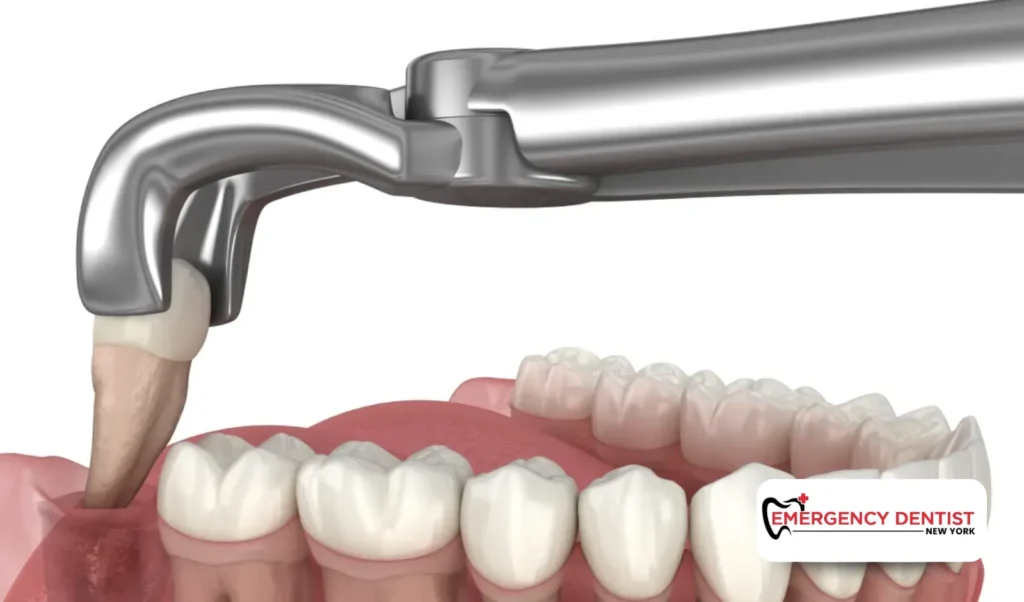
In severe cases, when the tooth is too damaged to be repaired, due to deep cracks, infection, or structural breakdown, extraction may be necessary. After removing the tooth, options like dental implants, bridges, or dentures can help restore function and appearance.
Your dentist will help decide which treatment is best depending on how extensive the crack or chip is.
When to See an Emergency Dentist in Soho
You do not need to wait for pain before seeing a dentist. If you notice a chipped tooth with no pain molar, it’s smart to get it checked early. A quick professional assessment can help prevent decay, infection, or nerve damage.
You should seek help quickly if:
- The tooth has a sharp or rough edge
- You notice sensitivity to hot, cold, or sweet foods
- The crack seems to be getting worse
- You feel pressure or pain while chewing
- The tooth looks darker than normal
- There is swelling, bad odor, or bleeding around the tooth
An Emergency Dentist in Soho is trained to promptly assess and treat chipped and cracked molars before they progress into more serious dental issues.
Don't Ignore a Chipped Molar, Even Without Pain
A chipped molar tooth no pain may not seem serious, but it can still be a sign of hidden structural damage. Even without discomfort, the tooth may be weakened, making it more vulnerable to decay, infection, or deeper fractures. Whether it’s a minor chip or crack or a more serious break, early treatment is essential to prevent complications.
Delaying care can lead to bigger problems, including the need for a root canal, crown, or even extraction if the damage worsens.
If you’ve noticed a chipped tooth with no pain molar, don’t wait. Contact an Emergency Dentist in Soho to have it evaluated before it develops into a more serious issue.
Frequently Asked Questions
Is a chipped molar tooth without pain still a matter of concern?
Yes. Even without pain, a chipped molar tooth may have underlying damage that could lead to decay, infection, or require a root canal later if left untreated.
Can a chipped tooth naturally repair itself without treatment?
No. A tooth cannot heal or repair a crack or chip on its own. Professional dental treatment is necessary to restore its strength, function, and appearance.
What treatment options are available for a chipped molar tooth?
Treatment depends on the severity of the damage. Dentists may recommend bonding, dental crowns, inlays, veneers, or a root canal for deeper cracks.
Is it necessary to consult a dentist if my chipped molar causes no pain?
Yes. Pain is not always present when damage occurs. Consulting an Emergency Dentist in Soho helps prevent further complications and preserves tooth health.
Can a chipped molar tooth without pain still result in infection?
Yes. Even in a chipped molar tooth no pain situation, bacteria can enter through the damaged enamel and reach deeper layers of the tooth, potentially causing infection, swelling, or an abscess.
How can I determine whether a chipped molar has progressed into a cracked tooth?
You may notice sensitivity to hot, cold, or sweet foods, pain while biting, or a visible line on the tooth. As the chip or crack deepens, it may become a cracked tooth, possibly requiring a crown or root canal.