

Is Dry Socket an Emergency? What Patients Should Know Now
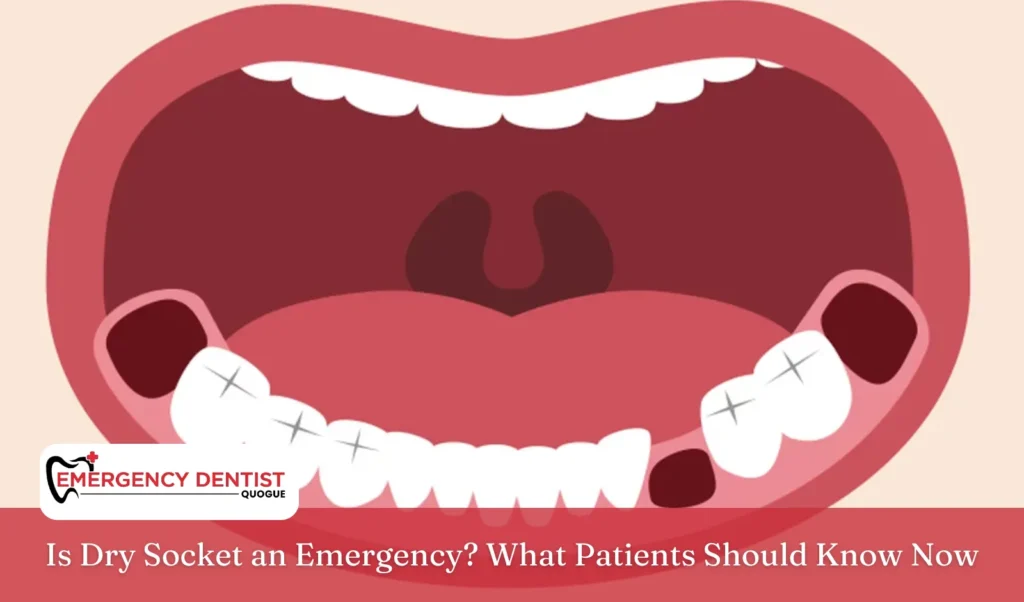
After a tooth extraction, most people expect mild discomfort that gradually improves. But if sharp or worsening pain appears a few days later, it’s natural to wonder: is dry socket an emergency? This condition, known as alveolar osteitis, happens when the protective blood clot dissolves too early or becomes disturbed. Without that clot, the bone and nerves in the empty socket are suddenly exposed, causing severe pain that may radiate to nearby areas.
A dry socket is not life-threatening, but it is often considered a dental emergency because the discomfort can escalate quickly and interfere with eating, sleeping, and daily routines. Below, we explore what causes dry sockets, the symptoms to watch for, and how emergency dentists treat this dental condition effectively
What Makes Dry Sockets an Emergency?
When a tooth is removed, a stable blood clot forms to protect the area and begin healing. But if certain actions dislodge the blood clot, the socket is left unprotected. This exposure often leads to deep, throbbing pain that may spread toward the ear, jaw, or side of the face. Many patients also report bad breath or an unpleasant taste due to food particles and bacteria entering the open area.
Because this type of pain rarely improves without emergency dental treatment, patients often ask:
Is dry socket considered an emergency?
Yes. The exposed area increases the risk of developing additional problems, and at-home care cannot reverse the damage.
Some patients wonder: can the emergency room treat dry sockets? While the ER may offer temporary pain medication, they cannot treat dry sockets fully. A hospital cannot place a medicated dressing or clean the area properly. Only a dentist can rinse the socket, apply a soothing medicated dressing, and support proper healing. That’s why contacting an Emergency Dentist in Quogue is the safest choice.
Common Symptoms of Dry Socket
You may be experiencing a dry socket if you notice:
- Severe pain 24-72 hours post op
- A clearly visible empty socket instead of a clot
- Pain spreading toward the ear, eye, or jaw
- Persistent bad breath or foul taste
- Difficulty chewing or swallowing, even soft food
These symptoms often worsen without professional dental care.
What Causes Dry Socket?
A dry socket can occur for several reasons. The most common include:
- Using tobacco products, which slow healing
- Drinking through straws or forceful spitting during the first 24 hours
- Poor oral hygiene or not following aftercare instructions
- Medications that affect normal clotting
- Trauma or irritation at the extraction site
Following your dentist’s instructions carefully is the best way to prevent dry sockets and support smooth healing.
How Emergency Dentists Treat Dry Socket
When you visit an Emergency Dentist in Quogue, the goal is to reduce your pain and protect the healing area. Treatment may include:
1. Cleaning the Socket

A gentle rinse removes debris and reduces irritation.
2. Applying a Medicated Dressing
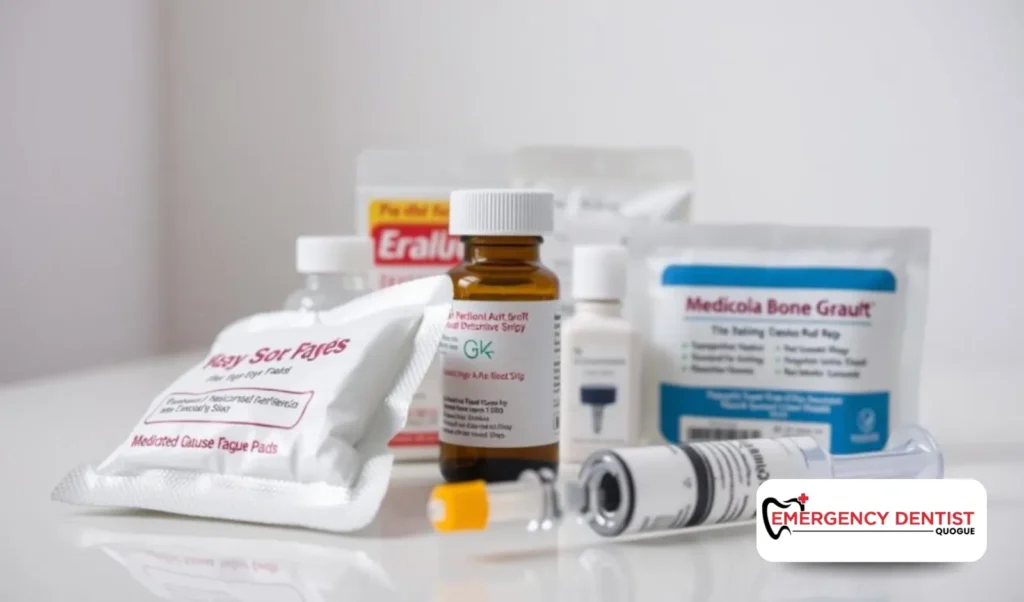
A soothing dressing is placed over the exposed bone and nerves to ease discomfort and reduce inflammation.
3. Recommending Pain Relievers
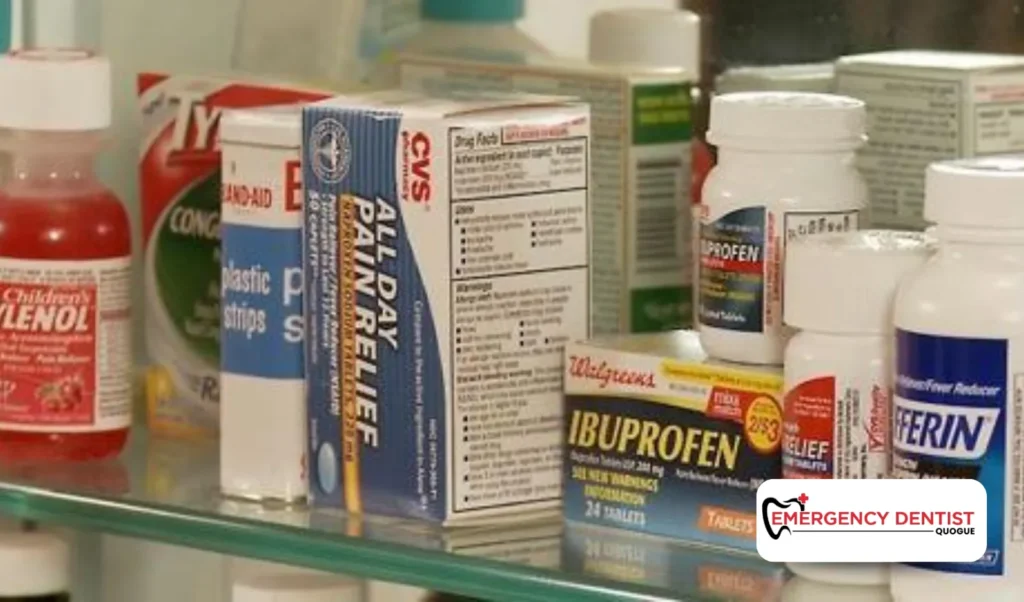
Depending on your symptoms, your dentist may recommend over-the-counter or prescription pain relievers.
4. Providing Home Instructions

You may be advised to:
- Avoid tobacco products
- Eat soft food
- Drink plenty of fluids
- Brush your teeth gently around the area
- Use warm saltwater rinses to keep the mouth clean without disturbing the clot
With proper dental care, most patients begin feeling better within 24-48 hours.
How to Prevent Dry Socket After an Extraction
Reduce your risk by:
- Not smoking or vaping for several days
- Avoiding straws the first 24 hours
- Eating soft foods and avoiding the extraction side
- Keeping the mouth clean but not brushing directly over the socket
- Following all instructions from your dental provider
These steps support healing and lower the risk of developing a dry socket.
When to Call an Emergency Dentist in Quogue
Reach out for care if:
- Your pain increases instead of improving
- You suspect the clot is missing
- You can see exposed bone
- You have persistent bad breath or spreading pain
These are signs of a dental emergency that requires immediate attention.
Conclusion
Dry socket can be extremely painful, but with fast professional treatment, it is very manageable. If your discomfort is getting worse or something feels wrong, contacting an Emergency Dentist in Quogue is the best way to get relief. Early treatment protects the healing site, eases pain, and helps you recover confidently.