
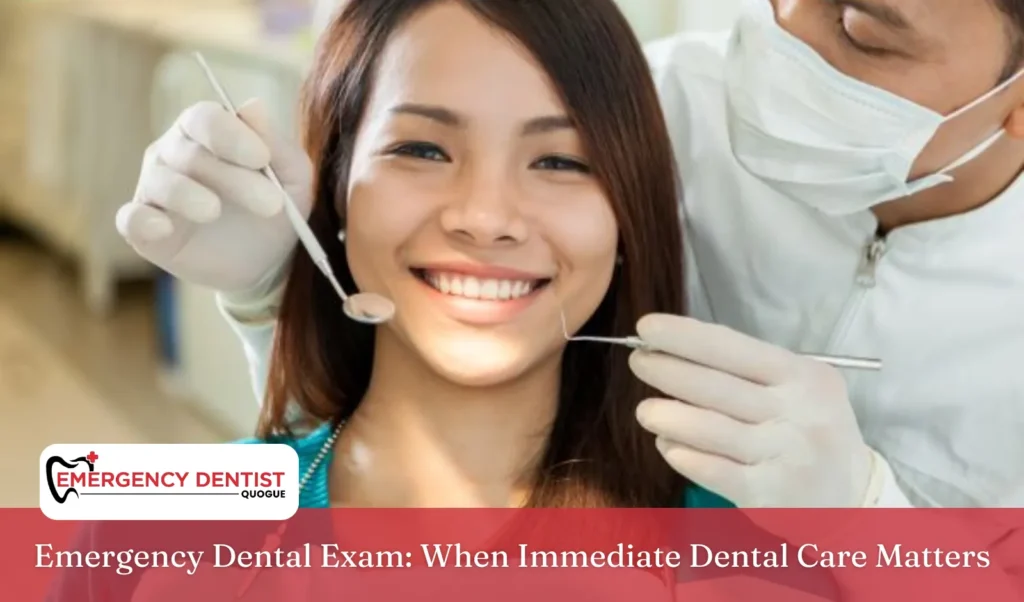
Emergency Dental Exam:
When Immediate Dental Care Matters
Quick Answer
What is an Emergency Dental Exam?
An emergency dental exam is a focused emergency dental visit used when a sudden dental problem needs fast attention. During the visit, an emergency dentist examines the affected area, asks about your symptoms, and explains safe next steps for emergency dental care. The purpose is to protect your oral health, reduce discomfort, and help you understand what to do next.
Key Takeaways
- An emergency dental exam is used when a dental issue cannot wait.
- It may be needed for a knocked out tooth, broken tooth, swelling, severe pain, or lost filling.
- The dentist evaluates the dental problem and explains treatment options clearly.
- If you are experiencing a dental emergency, an Emergency Dentist in Quogue can guide you safely and calmly.
A dental emergency can be unsettling and stressful. You might suddenly notice a broken tooth, swelling, bleeding, a lost filling, or even an exposed nerve. When this happens, it’s common to feel unsure about the next step, whether to visit urgent care, go to a hospital emergency room, or arrange an emergency dental visit.
Knowing what an emergency dental exam is can make these moments easier to navigate. This guide breaks down what an emergency exam dental visit includes, why it’s important, and how it supports your oral health when an unexpected dental problem arises.
What Is an Emergency Dental Exam?
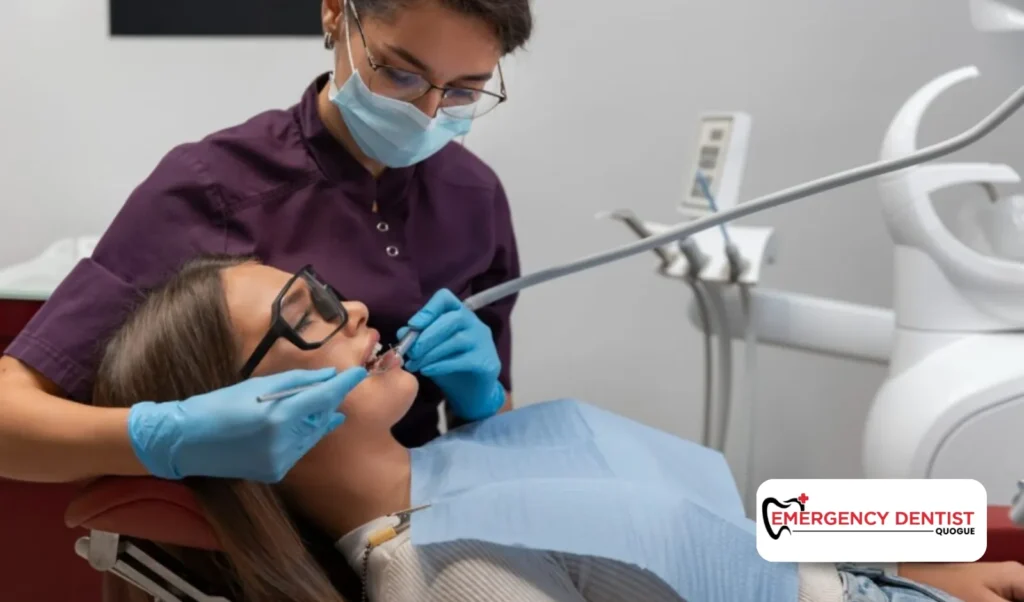
An emergency dental exam is a dedicated dental appointment designed for sudden dental issues that need prompt care. This may include a cracked or broken tooth, swelling, severe discomfort, a lost filling, or a knocked out tooth.
During the exam, the emergency dentist carefully evaluates the problem area, listens to your symptoms, and checks for infection, structural damage, or nerve exposure. You’ll also receive guidance on emergency dental care, whether the tooth can be stabilized, and the chance of saving it.
The main goals of an emergency dental exam are to:
- Relieve pain and discomfort
- Protect your oral health
- Reduce the risk of future health problems
- Save a tooth whenever possible
Common Dental Emergencies
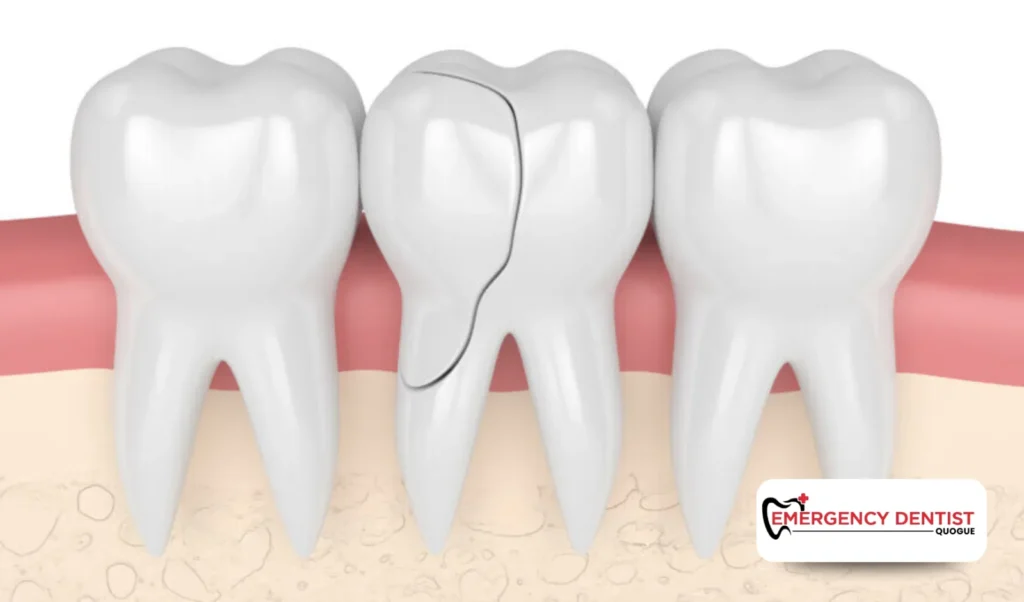
Some of the most common dental emergencies include:
- Broken or cracked teeth
- A knocked out tooth
- Lost fillings or broken crowns
- Sudden swelling or infection
- Chipped teeth affecting your bite
- Dental trauma from accidents or falls
Even when a dental issue is not life threatening, it still requires attention. Teeth are essential for eating, speaking, and confidence. Prompt emergency dental care can prevent complications and reduce the need for treatments like tooth extraction.
Why an Emergency Dental Exam Matters
An emergency dental exam allows the dentist to understand the situation right away. In some cases, temporary steps can protect the tooth or calm an exposed nerve. In other cases, follow-up treatment such as a filling, root canal, or tooth extraction may be recommended.
Early care can:
- Lower the risk of infection spreading
- Improve comfort more quickly
- Reduce unnecessary visits to urgent care or the hospital emergency room
- Increase the likelihood of saving the tooth
For most dental problems, seeing an emergency dentist is more appropriate than visiting urgent care.
Symptoms That May Need Emergency Care
You may need an emergency dental exam if you notice:
- Sharp or constant tooth pain
- Sensitivity when biting or chewing
- A visible crack or chip
- Bleeding around a tooth or gums
- Swelling or tenderness
- Food repeatedly catching in a damaged area
- A sharp edge cutting your cheek or tongue
If you are experiencing a dental emergency, a dentist can explain what is happening and guide you toward the safest next step.
Simple Comfort Tips While You Wait
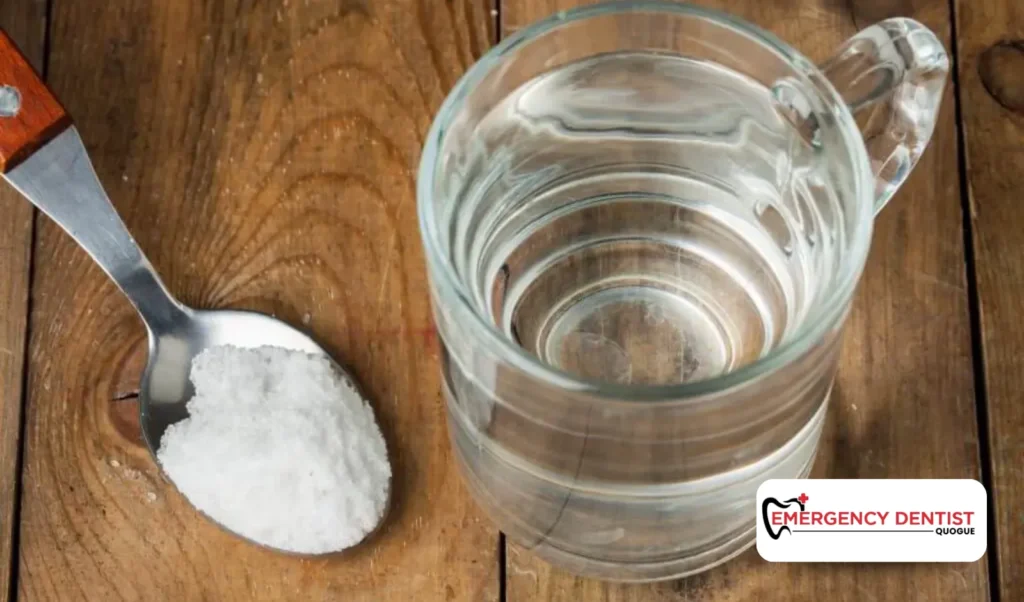
While waiting for emergency dental care, these gentle steps may help manage discomfort:
- Rinse your mouth with warm water to keep the area clean
- Use a mild salt water rinse to soothe irritated tissue
- Apply a cold compress to the outside of the cheek if swelling is present
- Avoid chewing on the affected side
- Use counter pain relievers only if appropriate and as directed
If a knocked out tooth is involved, avoid touching the root and seek care immediately. If symptoms ever feel severe or life threatening, seek medical help right away.
What to Expect During the Emergency Visit
During an emergency dental visit, the dental team will usually:
- Ask how the dental issue started
- Examine the tooth, gums, and surrounding area
- Review dental history and relevant health concerns
- Explain findings and emergency dental care options clearly
The focus is reassurance, relief, and guidance, not pressure or judgment.
When to Call an Emergency Dentist
Contact an Emergency Dentist in Quogue if:
- You have a broken tooth, lost filling, or knocked out tooth
- Swelling or irritation does not improve
- You cannot bite or chew comfortably
- A sharp edge is injuring your mouth
- Something simply feels “not right”
For dental concerns, an emergency dental visit is often the best place to start rather than urgent care or a hospital emergency room.
Final Thoughts
A sudden dental issue can feel overwhelming, but understanding what is an emergency dental exam helps you respond calmly and quickly. Prompt emergency dental care can reduce pain, prevent complications, and improve the chance of saving your tooth.
If you are experiencing a dental emergency, caring professionals are ready to listen, guide, and support you with clarity and compassion.
Gentle Emergency Dental Care in Quogue
If you are facing a sudden dental issue, an Emergency Dentist in Quogue is ready to help. The dental team will listen carefully, explain your options, and support you every step of the way, without rushing or overwhelming you.
Reaching out early can make a meaningful difference in comfort and outcomes. You do not have to face a dental emergency alone.
Frequently Asked Questions
How do I know if I need an emergency dental exam?
If you have a broken tooth, swelling, bleeding, a knocked out tooth, or ongoing pain, it’s best to contact an emergency dentist for guidance.
Will my tooth be treated the same day?
Sometimes. The exam helps determine whether immediate treatment or temporary care is appropriate
Do I still need an exam if my tooth doesn’t hurt?
Yes. A dental issue may not hurt right away but can worsen if ignored, so having it checked is important.