

Emergency Room for Dry Socket: Can You Get Treated There?
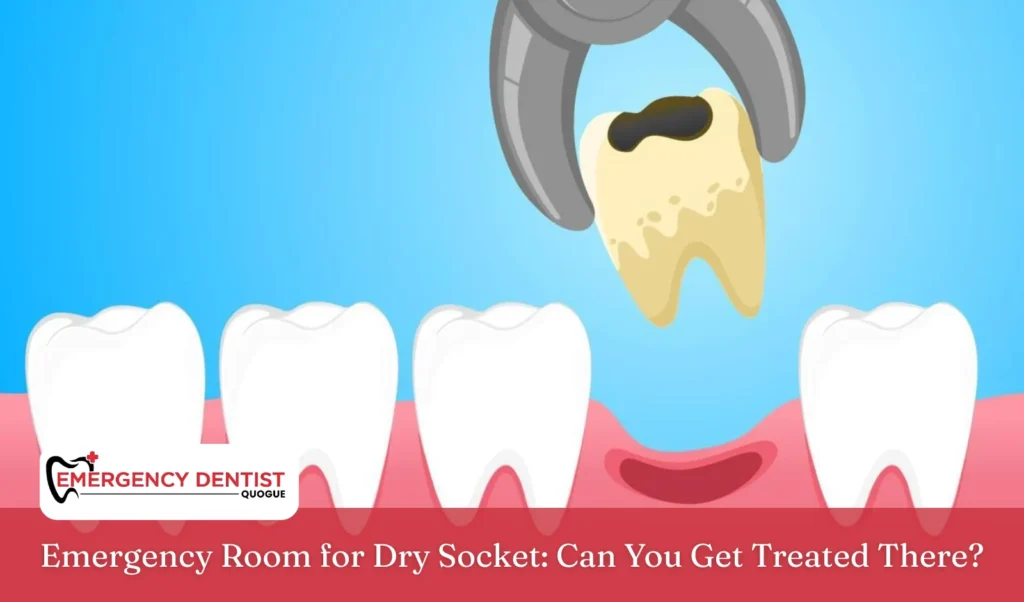
After a tooth extraction, most people expect the area to slowly feel better each day. Mild soreness is normal. But when pain suddenly becomes stronger, or you notice bad breath or an unpleasant taste, it can be concerning. At that point, many patients ask, can I get treated at an emergency room for dry socket, especially when symptoms begin late at night or over the weekend.
Knowing what dry socket is, why it happens, and where to get the right help can ease stress and protect your healing. This guide explains emergency room dry socket concerns in a clear, patient-friendly way so you can take the next step with confidence.
What Is a Dry Socket?
Dry socket, also called alveolar osteitis, can develop after a tooth is removed. Under normal healing, a blood clot forms in the socket soon after the extraction. This clot protects the extraction site and covers the bone and nerve while the gums begin to heal.
If that clot is lost too early, the area underneath becomes exposed. When this happens, the bone and nerve can become irritated, leading to significant pain and delayed healing. Dry socket is more common after removing wisdom teeth, but it can occur after any extraction.
Patients who have developed dry socket often say the pain feels deeper or sharper than normal post-extraction soreness.
Why Dry Socket Can Happen

Several factors can raise the risk of dry socket, including:
- Using tobacco products
- Not following dental aftercare instructions
- Suction actions, such as sipping through straws
- Losing the blood clot within the first 24 hours
Learning how to prevent dry socket after a tooth extraction is an important part of proper dental care and recovery.
Signs and Symptoms to Watch For
Dry socket symptoms usually appear a few days after the extraction. Common signs include:
- Pain that gets worse instead of better
- Exposed bone visible in the socket
- Ongoing bad breath
- A lingering unpleasant taste
- Pain that spreads to the ear, jaw, or side of the face
Many patients experience these symptoms, and early care often helps reduce discomfort. When these signs appear, it’s understandable to consider an emergency room visit dry socket situation.
Can the Emergency Room Treat Dry Socket?
A very common question is, can they treat dry sockets in the emergency room? Emergency rooms can help with short-term needs, such as checking for serious medical problems or providing temporary pain relief.
However, emergency rooms are not dental clinics. An emergency room dry socket visit usually does not include cleaning the socket, placing protective dressings, or treating the extraction site itself. ER providers focus on general medical care and typically do not perform dental procedures.
For treatment that addresses the source of the problem and supports healing, a dentist is usually the better choice.
How Dentists Treat Dry Socket
Dentists focus on treating the cause of discomfort, not just masking symptoms. Dental treatment may include gently cleaning the extraction site, calming irritated tissue, and protecting the area so healing can restart.
Dentists also provide clear guidance on home care, including which soft foods to eat, habits to avoid, and steps that support recovery. With proper dental care, many patients begin to feel relief and regain confidence as healing improves.
Comfort Tips While Waiting for Care

If you are waiting to see a dentist, these steps may help protect the area and reduce discomfort:
- Eat soft foods that won’t disturb the socket
- Drink plenty of fluids throughout the day
- Rinse gently with warm salt water
- Stop smoking and avoid all tobacco products
- Avoid straws and any suction motions
These steps support healing but do not replace professional dental treatment.
When to Call an Emergency Dentist in Quogue
Contact an Emergency Dentist in Quogue if pain continues to worsen, if you see exposed bone, or if bad breath and unpleasant taste do not improve. You should also seek care if discomfort interferes with eating, sleeping, or daily activities, or if pain does not improve after a day or two.
Prompt dental attention can help protect the extraction site and prevent longer or more complicated healing.
Conclusion
Dry socket can be painful and unsettling, especially when it disrupts recovery after a tooth extraction. While an emergency room visit may offer short-term comfort, a dentist is best equipped to treat the extraction site and support proper healing.
Paying attention to symptoms and seeking dental care early can make a meaningful difference. If something doesn’t feel right, an Emergency Dentist in Quogue can provide clear answers, reassurance, and the support you need to heal with confidence.