
Emergency Wisdom Tooth Removal: Timing and What to Expect
Quick Answer
How long does wisdom teeth removal take?
In many emergency cases, wisdom tooth removal takes 30 to 60 minutes. The exact time depends on how many teeth are involved, whether you have impacted wisdom teeth, and how complex the tooth extraction is.
Key Takeaways
- Wisdom teeth extraction is often done to prevent future oral health problems
- Impacted wisdom teeth can cause pain and swelling and raise the risk of gum disease
- Most wisdom tooth extraction procedures are completed in under an hour
- Emergency wisdom tooth removal may be needed when symptoms worsen quickly
- Protecting the blood clot after oral surgery helps lower the risk of dry socket
Pressure near the back of your mouth, swollen gums, or sudden pain can be stressful. Many patients find themselves asking the same questions: Do I need my wisdom teeth removed? How fast does this need to happen? Is this a dental emergency?
Wisdom tooth removal is one of the most common oral surgery procedures, and it is often recommended to protect long-term oral health. Understanding why removing wisdom teeth may be necessary, how emergency wisdom tooth removal works, and what recovery involves can help you feel more confident when symptoms appear unexpectedly.
Why Wisdom Teeth Often Need to Be Removed
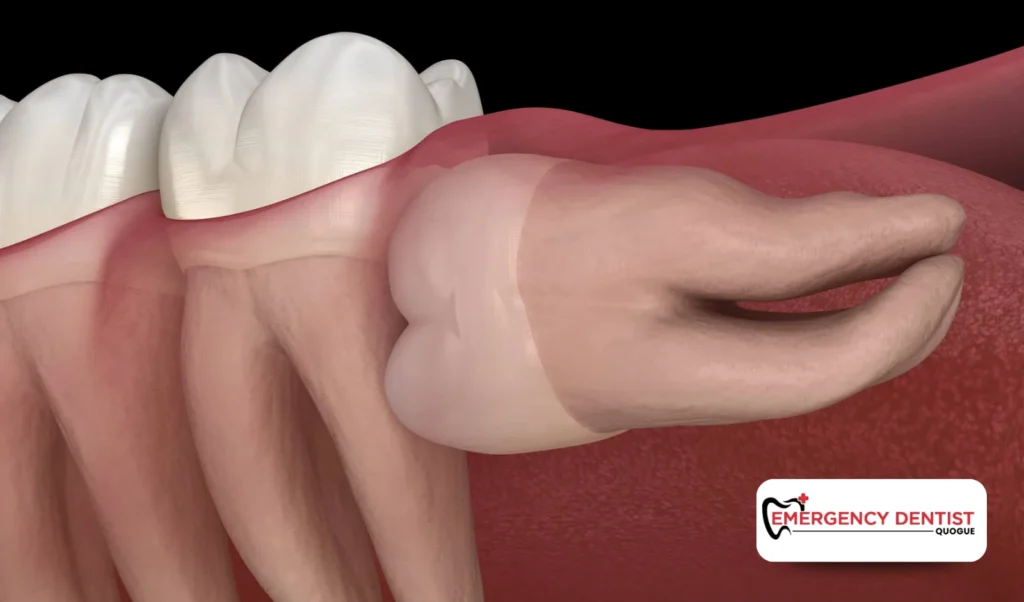
Wisdom teeth are the last molars to develop, usually appearing in the late teen years or early adulthood. Because the jaw often does not have enough space, these teeth may not come in properly.
Dentists and oral surgeons often recommend removing wisdom teeth when they cause or may cause future problems, including:
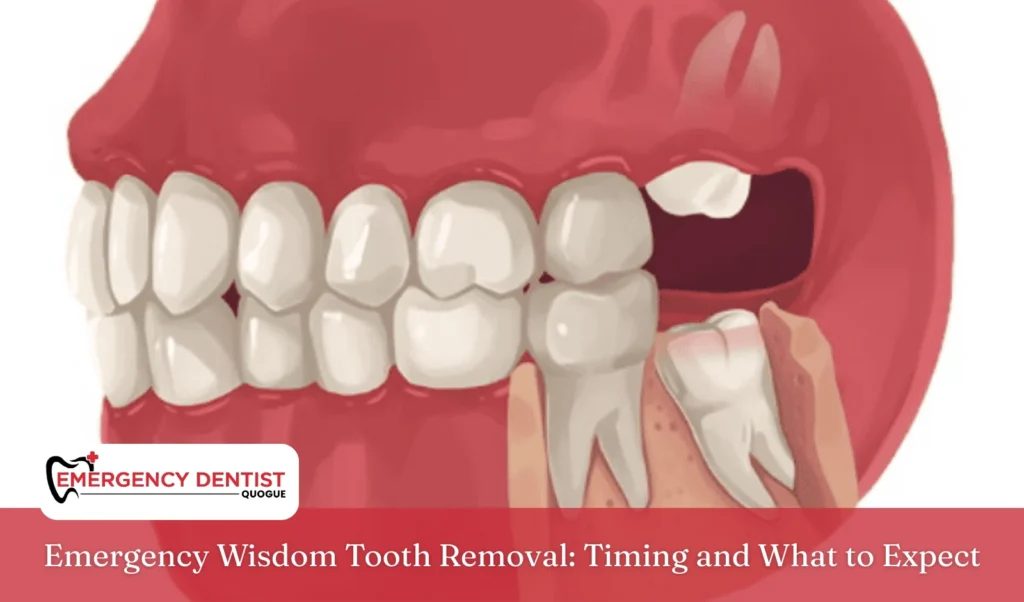
- Impacted wisdom teeth that stay trapped beneath the gums
- Teeth growing at an angle toward nearby teeth
- Crowding that affects bite alignment
- Difficulty cleaning the area, increasing the risk of gum disease
- Ongoing pressure that leads to pain and swelling
In some cases, impacted wisdom teeth are linked to fluid filled sacs that form around the tooth. Over time, these sacs can damage nearby bone or teeth if left untreated, making early evaluation important.
What Is Impacted Wisdom Tooth Removal?

An impacted wisdom tooth is a tooth that cannot fully break through the gum tissue. Some impacted teeth are partially visible, while others remain completely hidden beneath the surface.
When impacted wisdom teeth are present, oral surgeons often recommend wisdom tooth extraction to protect surrounding teeth and gums. This type of tooth extraction is performed through oral surgery and may involve local anesthesia, IV sedation, or both to keep patients comfortable.
The approach used depends on the position of the tooth and whether the extraction site is easy to access.
What Happens During Wisdom Tooth Extraction?
Feeling nervous before oral surgery is completely normal. Knowing what usually happens during wisdom tooth removal can ease anxiety.
During the procedure:
- The area is numbed with local anesthesia
- IV sedation may be used for deeper relaxation
- Oral surgeons carefully remove the tooth
- The extraction site is cleaned to support healing
Whether the procedure is simple or more involved, wisdom teeth extraction is planned to minimize discomfort while protecting nearby tissue. Even emergency wisdom tooth removal follows a careful, step-by-step process focused on safety.
When Is Emergency Wisdom Tooth Removal Needed?

Not every wisdom tooth issue requires urgent care, but some symptoms may signal a dental emergency.
Emergency wisdom tooth removal may be necessary if you experience:
- Sudden or worsening pain and swelling
- Signs of infection around an emergency wisdom tooth
- Difficulty opening your mouth
- Swelling that spreads to the jaw or face
Ignoring emergency wisdom tooth symptoms can allow problems to worsen quickly. Prompt evaluation helps relieve discomfort and prevents complications from spreading.
Recovery After Wisdom Teeth Extraction
Healing after wisdom teeth extraction happens gradually. One of the most important early steps is protecting the blood clot that forms over the extraction site. This clot shields the bone and supports healing.
If the blood clot becomes dislodged, a dry socket may develop. Dry sockets can delay recovery and increase discomfort.
Helpful recovery tips include:
- Eating soft foods like mashed potatoes during the first few days
- Resting and avoiding strenuous activity
- Following aftercare instructions from your dental team
- Keeping the mouth clean without disturbing the extraction site
These steps help manage pain and swelling while allowing natural healing to occur.
Pain, Swelling, and What’s Normal
Mild pain and swelling are common after wisdom tooth removal, especially during the first few days. This is a normal response following oral surgery.
Most patients notice steady improvement as healing continues. If pain and swelling increase instead of improving, or if new symptoms appear, it is important to contact a dental professional for guidance.
Final Thoughts
Wisdom teeth extraction can feel overwhelming, especially when symptoms appear suddenly or interfere with daily life. Understanding how long emergency wisdom tooth removal takes, why removing wisdom teeth is recommended, and what recovery usually involves can reduce stress and uncertainty.
Whether you are dealing with impacted wisdom teeth or worried about a possible dental emergency, timely care supports comfort and long-term oral health.
Trusted Emergency Wisdom Tooth Care in Quogue
When discomfort feels sudden or severe, knowing where to turn matters. If you are experiencing pain, swelling, or signs of an emergency wisdom tooth problem, professional care can make a meaningful difference.
Emergency Dentist in Quogue provides prompt evaluation for wisdom tooth concerns, including emergency wisdom tooth removal and recovery guidance.
Don’t wait for symptoms to worsen.
Scheduling an appointment today can help protect your oral health and bring faster relief.
Frequently Asked Questions
Is wisdom teeth extraction always an emergency?
No. Many wisdom teeth extractions are planned ahead of time, but sudden pain or swelling may require urgent care.
What can I eat after wisdom tooth removal?
Soft foods such as mashed potatoes are usually easiest during early recovery.
Who performs wisdom tooth extraction?
Wisdom tooth extraction is commonly performed by oral surgeons trained in oral surgery procedures.