

How Long for a Hole to Close After Tooth Extraction: Overview
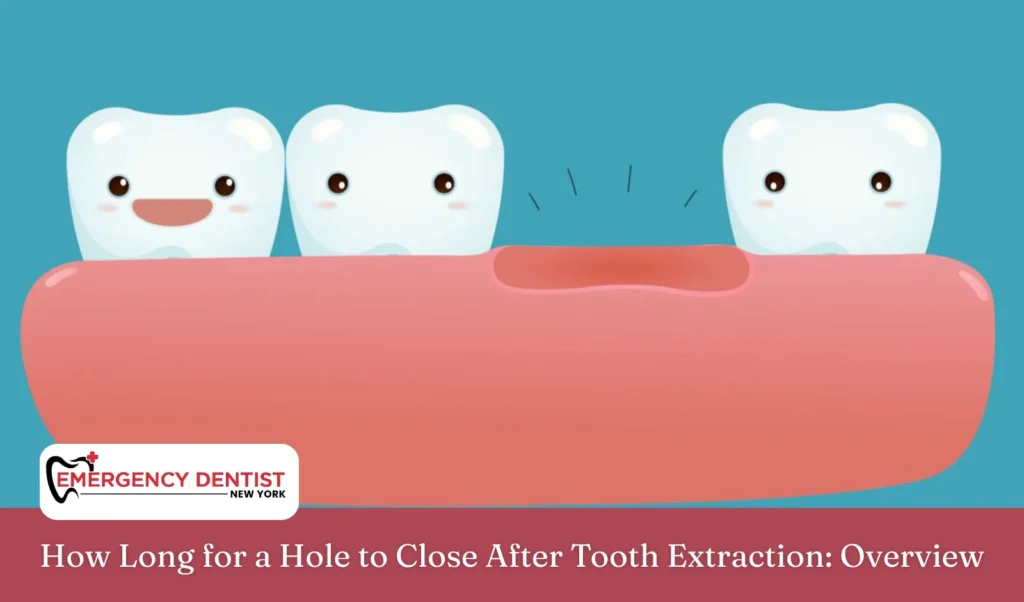
Many patients ask, “How long is the hole closed after tooth extraction?” Whether the procedure is a simple extraction or a surgical extraction, understanding the healing process helps ease stress and prepares you for proper aftercare. Because everyone heals differently, knowing what to expect can prevent complications and support a smoother recovery.
Healing time varies based on several factors, including the type of extraction, the size of the tooth, your overall health, and how closely you follow aftercare instructions. If pain worsens or healing seems slow, an Emergency Dentist in Quogue can provide guidance and treatment.
Why Does an Extraction Hole Form?
After a tooth removal, the remaining space is called the tooth socket or extraction site. It’s surrounded by gum tissue and bone, and although it may appear deep initially, your body immediately begins repairing it. New tissue starts forming, and bone gradually rebuilds until the socket closes.
Larger teeth, such as molars or wisdom teeth, naturally leave behind larger openings, which take longer to close than smaller teeth.
The Importance of the Blood Clot
Within about 30 minutes after the tooth is removed, a blood clot begins to form in the socket. This clot protects the bone and nerve endings and serves as the foundation for new tissue growth.
If the clot becomes dislodged, it can result in dry socket, a painful condition that exposes the bone and significantly slows healing. Keeping the clot stable is one of the most important parts of recovery.
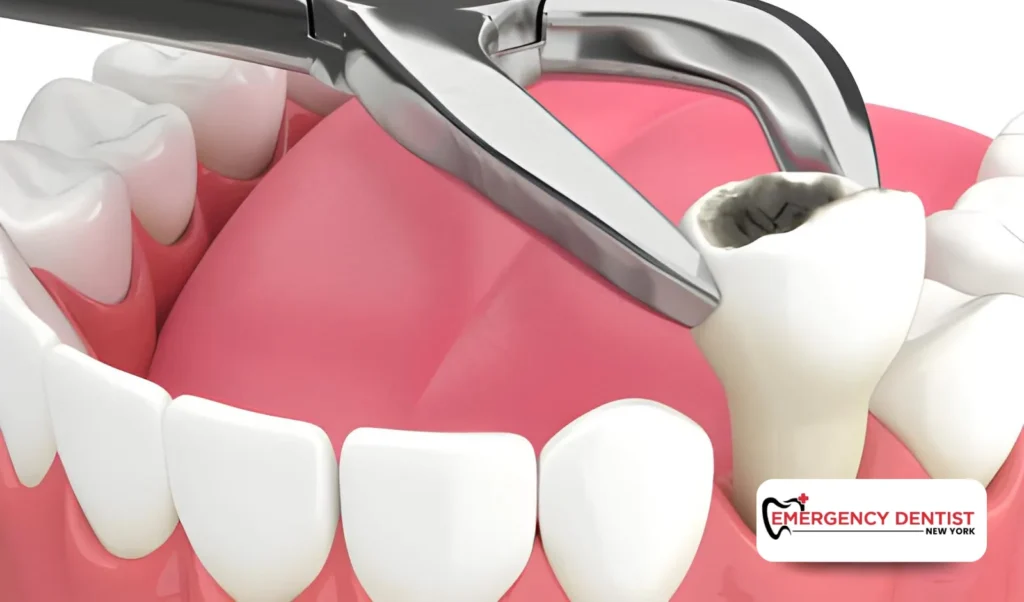
Types of Extraction and Their Impact on Healing Time
The extraction method greatly affects recovery:
- Simple extractions: The tooth is loosened and removed without cutting the gum. These typically heal faster, and the opening begins closing within one to two weeks.
- Surgical extractions: These involve gum incisions or bone removal and are often used for wisdom teeth removal. Healing takes longer because more tissue must repair itself.
Larger or more complex extractions naturally require longer healing times.
Stages of the Healing Process
Healing occurs in several stages:
- First 24 hours: A blood clot forms, and mild swelling or bleeding is normal. An ice pack can help reduce discomfort.
- Days 2–7: Soft tissue begins healing, and the gum line slowly starts covering the socket.
- Weeks 2–4: Most surface tissue heals, though deeper bone repair continues.
- 1–3 months: Bone fills in the socket and strengthens.
- Complete healing: Full closure of both gum and bone may take several months.
Patience is important and healing takes time, even if the surface looks improved early on.
How Long for Tooth Extraction Hole to Close?
Most patients notice the hole shrinking within the first week. With simple extractions, gum tissue typically closes in two to three weeks. However, deeper healing, especially bone repair, continues for months.
Surgical extractions, particularly those involving wisdom teeth, take longer. Gum closure may take six weeks or more. The site is considered fully healed when both the gum tissue and underlying bone are restored.
Following proper aftercare can help speed recovery and reduce the risk of complications such as dry socket.

How to Care for the Extraction Site During Recovery
Proper aftercare is essential for smooth healing:
- Avoid food particles: Choose soft foods like soup, yogurt, mashed potatoes, or smoothies that won’t get stuck in the socket.
- Eat room temperature meals: Extremely hot or cold foods can irritate the area and disrupt the clot.
- Use an ice pack: Apply for short intervals during the first 24 hours to reduce swelling.
- Maintain gentle oral hygiene: Rinse with warm salt water after the first day, and brush carefully without touching the socket.
- Rest: Avoid strenuous activity for a few days to prevent bleeding or disturbing the clot.
These simple habits help your mouth heal safely and comfortably.
Signs of Healthy Healing vs. Complications
Most patients experience steady improvements, reduced swelling, decreasing pain, and gradual closure of the hole. However, watch for signs that something may be wrong:
- Worsening pain several days after extraction
- Persistent bad taste or odor
- An empty socket where the blood clot should be
- Swelling or redness that does not improve
- Difficulty swallowing or opening the mouth
These symptoms may indicate dry socket or infection. Contact an Emergency Dentist in Quogue promptly if you notice any of them.
What Can Affect Healing Time?
Your healing timeline depends on:
- Size of the tooth: Bigger teeth leave larger sockets that take longer to close.
- Type of extraction: Surgical extractions involve more tissue and bone repair.
- Health and habits: Smoking, alcohol use, and poor oral hygiene slow recovery.
- Aftercare quality: Eating soft, room-temperature foods and protecting the clot help speed healing.
Good habits and close attention to your dentist’s instructions make a major difference.
Conclusion
Healing after a tooth extraction takes time and proper care. A simple extraction may heal in a few weeks, while surgical extractions and wisdom teeth removal often require longer healing periods. Even after the gums close, the bone underneath continues rebuilding.
Protect the blood clot, stick to soft food, avoid extreme temperatures, and use an ice pack early on to reduce swelling. With good aftercare, you can shorten healing time and reduce the risk of dry socket.
If symptoms worsen or recovery seems slow, reach out to an Emergency Dentist in Quogue. With expert support, your mouth can heal comfortably and return to full function.
Frequently Asked Questions
How long does it take for a tooth extraction hole to close?
For most simple extractions, the gum tissue begins closing the hole within two to three weeks. Surgical extractions, especially wisdom teeth removal, may take six weeks or longer for full gum closure. Complete healing of both gum and bone can take several months.
What can I do to help the extraction site heal faster?
You can speed healing by protecting the blood clot, eating soft food, avoiding extreme temperatures, keeping the area clean with gentle saltwater rinses, and using an ice pack to reduce swelling. Resting and avoiding smoking also help the site heal properly.
How do I know if my extraction site isn’t healing correctly?
Signs of delayed or improper healing include worsening pain, an unpleasant taste or odor, an empty-looking socket, or swelling that doesn’t improve. These may indicate dry socket or infection. If you notice these symptoms, contact an Emergency Dentist in Quogue right away.