

Hole in Gums After Wisdom Tooth Extraction: What to Know
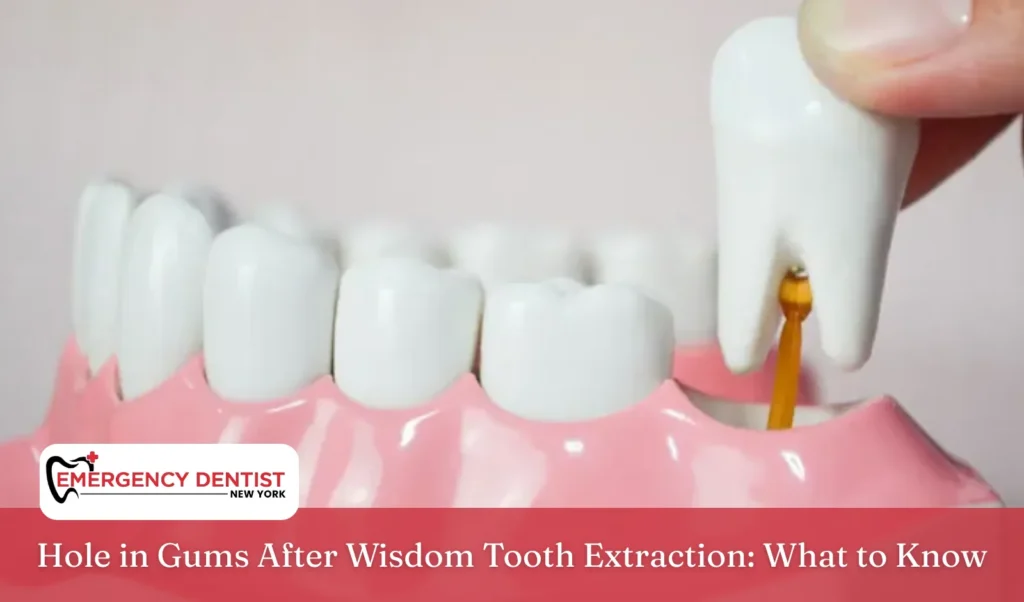
Having your wisdom teeth removed is a very common dental procedure, but many people feel concerned afterward when they notice a hole in their gums after wisdom tooth extraction. These small openings, often called sockets, are a normal part of the healing process. While they may look worrying at first, they are simply signs that your body is repairing itself.
Understanding why these holes appear, how long healing usually takes, and what you can do at home will help you feel more confident and support a smooth recovery. If you ever feel unsure, an Emergency Dentist in Quogue can guide you through the healing process and address any concerns.
Why Holes Appear After Wisdom Tooth Removal
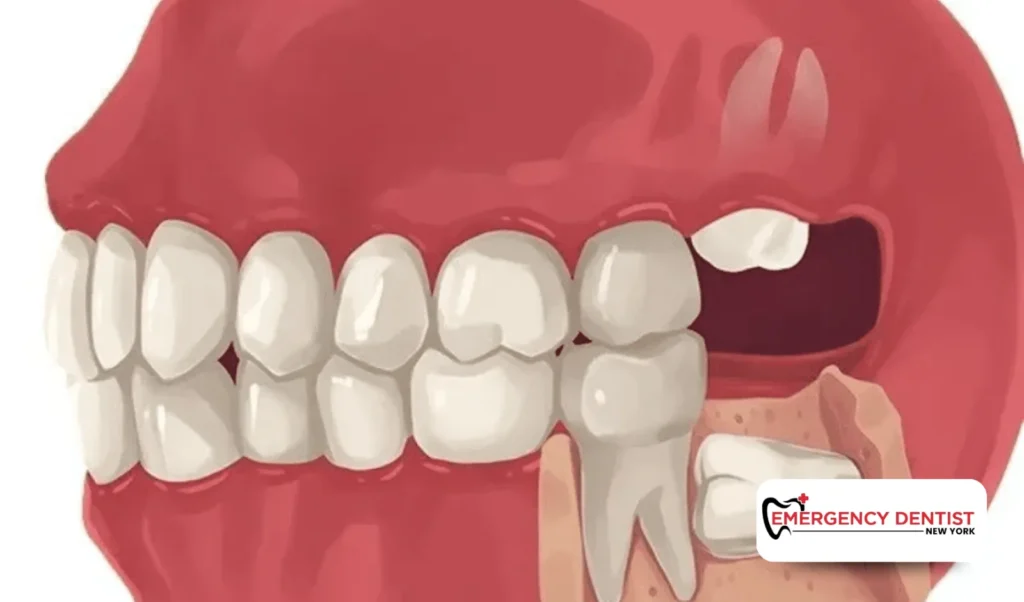
When wisdom teeth are taken out, the dentist removes the tooth from its place in the jawbone. Once the tooth is gone, an opening remains at the extraction sites. This opening may look like a deep gap or tooth-shaped hole, especially if the tooth was large or impacted.
The gum tissue does not close right away. Instead, your body begins healing in stages. First, a blood clot forms to protect the area. Then, new tissue slowly grows over the site, followed by bone healing underneath. Because this process takes time, seeing holes in gum after wisdom tooth extraction is completely normal.
The Healing Process Explained Simply
Healing starts almost immediately after the tooth is removed. Within about 30 minutes, a blood clot forms inside the socket. This clot is very important. It acts like a natural bandage, protecting the bone and nerves and giving the gums a base to heal.
During the first few days, the area may look open and feel tender. Over the next week, the gums slowly begin to close in from the sides. After two to three weeks, most holes in gum after wisdom tooth extraction become smaller. For some people, full healing can take a few months, especially if multiple extraction sites were involved.
The most important thing during this time is to protect the blood clot and allow the area enough time to heal properly.
Common Risks During Healing
Most people heal without any issues, but some problems can happen if the area is disturbed.
One common concern is dry socket. This occurs when the blood clot is lost too early or never forms properly. Without the clot, the bone underneath is exposed, which can cause severe pain, bad taste, or an unpleasant smell.
Another issue is food becoming trapped in the sockets. Small food pieces can irritate the area and slow healing if they are not gently rinsed away. Infection is also possible if bacteria enter the healing site, which is why good daily care is so important.

Eating After Wisdom Tooth Extraction
What you eat plays a big role in healing. Dentists usually recommend sticking to soft foods for the first several days. Gentle options include yogurt, mashed potatoes, smoothies, soups, and scrambled eggs. These foods are easy to eat and won’t disturb the healing extraction sites.
Avoid hard, crunchy, sticky, or spicy foods, as they can irritate the gums or become trapped in the socket. As healing improves, you can slowly add more solid foods back into your diet, but always chew away from the surgical area until your dentist says it’s safe.
How to Keep the Area Clean Safely
Cleaning your mouth after surgery is important, but it must be done carefully. Brushing directly over the socket too soon can disturb the healing process.
Here are safe cleaning tips to follow:
- Wait at least 24 hours before rinsing.
- After that, gently rinse with warm water or a mild salt water solution.
- Avoid strong swishing, which can loosen the blood clot.
- Brush and floss your other teeth as usual, being careful around the extraction area.
These steps help keep the mouth clean while protecting the healing site.
When to Contact an Emergency Dentist in Quogue
While mild discomfort is normal, some symptoms should not be ignored. You should contact an Emergency Dentist in Quogue if you experience:
- Severe pain that gets worse instead of better
- Signs of dry socket, such as strong pain or a foul smell
- Swelling that increases after a few days
- Bleeding that does not stop
- Trouble opening your mouth or swallowing
Early care can prevent complications and help your mouth heal correctly.

Helpful Tips for a Smooth Recovery
Everyone heals at a different pace, but these simple tips can support a smoother recovery:
- Rest for the first day or two after surgery.
- Drink plenty of fluids, but avoid using straws.
- Stick to soft foods and avoid chewing near the extraction sites.
- Gently rinse with salt water after meals.
- Avoid smoking, as it can delay healing and increase the risk of dry socket.
Following these steps gives your body the best chance to heal naturally.
Conclusion
Seeing a hole in gums after wisdom tooth extraction can be surprising, but it is a normal part of recovery. These openings are signs that your body is working to heal the area left behind after removing the wisdom teeth. As long as the blood clot stays in place and proper care is followed, healing will continue as expected.
With patience, good oral hygiene, and gentle care, the gums will slowly close and return to normal. If anything feels unusual or painful, an Emergency Dentist in Quogue can provide timely help and reassurance. With the right approach, you can expect a comfortable recovery and a healthy smile moving forward.
Frequently Asked Questions
Is a hole in gums after wisdom tooth extraction normal?
Yes. A hole in gums after wisdom tooth extraction is normal and expected. The opening is the space where the tooth was removed, and it gradually closes as the gums and bone heal.
How long does it take for the hole to close after wisdom tooth removal?
Most gum tissue begins closing within 1–2 weeks, but deeper extraction sites may take several months to fully heal. Healing time varies depending on the tooth, your health, and aftercare.
How can I prevent dry socket while the hole is healing?
To prevent dry socket, avoid smoking, using straws, or rinsing too forcefully. Protecting the blood clot and following your dentist’s instructions helps the area heal properly.
What should I do if food gets stuck in the hole after extraction?
If food becomes trapped in the socket, gently rinse with warm salt water after meals. Avoid using fingers or sharp objects. If irritation or pain continues, contact your dentist for guidance.