

How Long Will a Dental Implant Last? Essential Care Guide
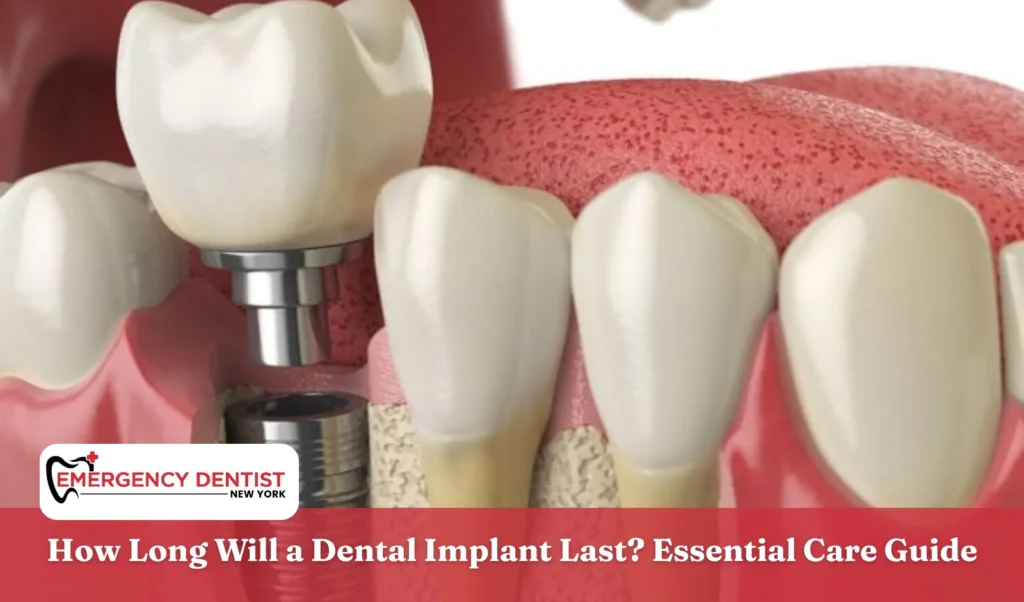
Dental implants are known for being one of the most durable and natural-looking options for replacing missing teeth. However, many people still wonder, how long do dental implants last? The answer depends on several factors that affect implant longevity, such as oral hygiene, gum health, medical conditions, and how well you take care of your implant over time. Understanding these elements can help protect your smile and keep your implant strong for years.
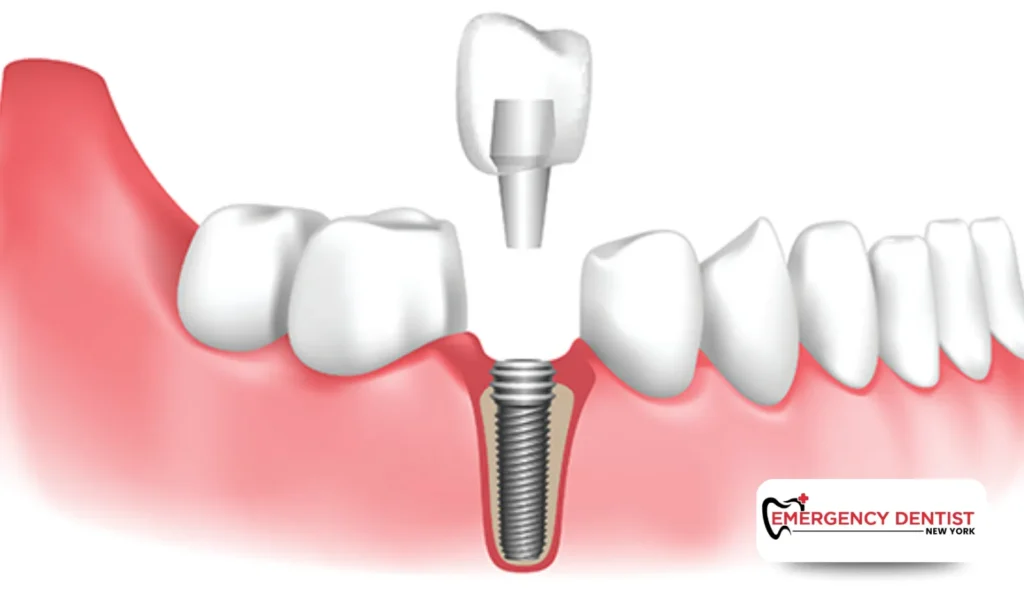
What Are Dental Implants?
A dental implant is designed to look and function like a natural tooth. It includes a titanium post that is placed into the jawbone during dental implant surgery, acting as an artificial tooth root. After the healing process, a custom crown is attached, allowing you to chew, speak, and smile comfortably.
Unlike dental bridges, implants do not rely on nearby natural teeth for support. They are securely anchored to the jawbone, making them stable and long-lasting. The dental implant procedure involves planning, surgery, recovery, and regular dental checkups to ensure successful results.
How Long Does a Dental Implant Last?
So, how long does a dental implant last? With proper care, dental implants can last 15 years or even longer. In some cases, they may last a lifetime when supported by strong bones, healthy gums, and excellent dental hygiene. While the titanium implant post is designed to be long-lasting, the crown may experience normal wear and tear, similar to natural teeth.
However, how long will a dental implant last largely depends on your daily habits and how well you maintain your oral health. Protecting your gum health, practicing consistent oral hygiene, and avoiding harmful behaviors can help extend the lifespan of your implant.
Factors That Affect Implant Longevity
Several factors that affect how long dental implants last include:
- Oral Hygiene and Gum Health
Poor oral hygiene can lead to gum disease, which may damage the tissues that support your implant. Healthy gums are essential for implant stability.
- Medical Conditions
Certain medical conditions, such as diabetes or autoimmune disorders, can slow healing and increase the risk of dental implant failure if not properly managed.
- Wear and Tear
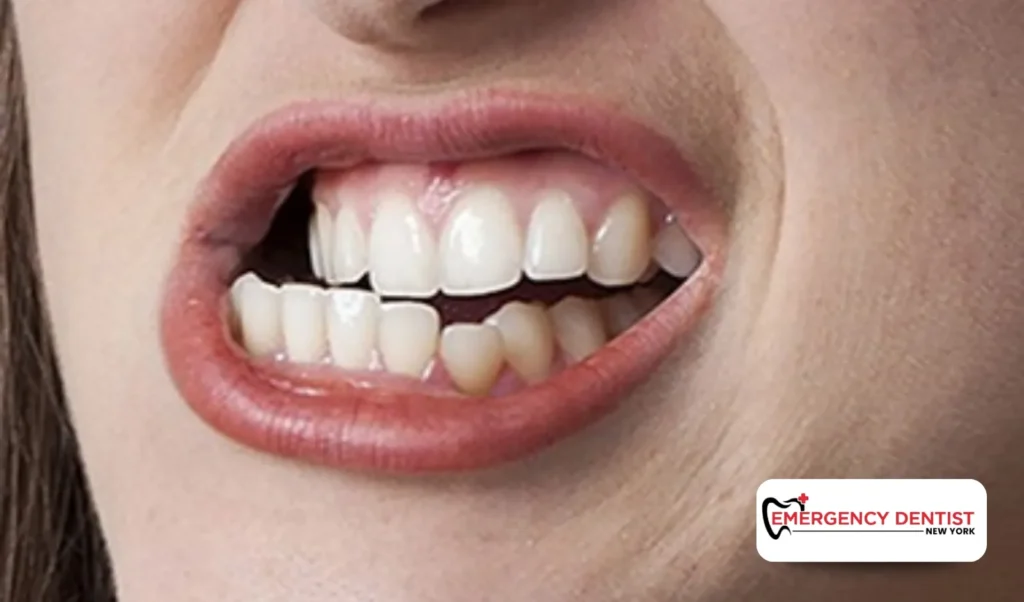
Grinding your teeth, chewing hard objects, or using your teeth to open items can cause wear and tear, reducing the lifespan of the implant crown.
- Proper Care and Lifestyle Choices
Following regular dental checkups, brushing, flossing, and avoiding tobacco help protect both your implant and overall oral health.
Preventing Dental Implant Failure
Dental implant failure can occur when the implant does not bond properly with the bone or when gum disease affects surrounding tissues. To prevent this, follow your dentist’s care instructions, especially during the healing process, and maintain strong gum health.
If you notice persistent redness, swelling, or discomfort around your implant, it’s important to act quickly. If you are in Soho, an Emergency Dentist in Soho can help assess the issue and recommend the best treatment options.
Caring for Your Implant Like a Natural Tooth
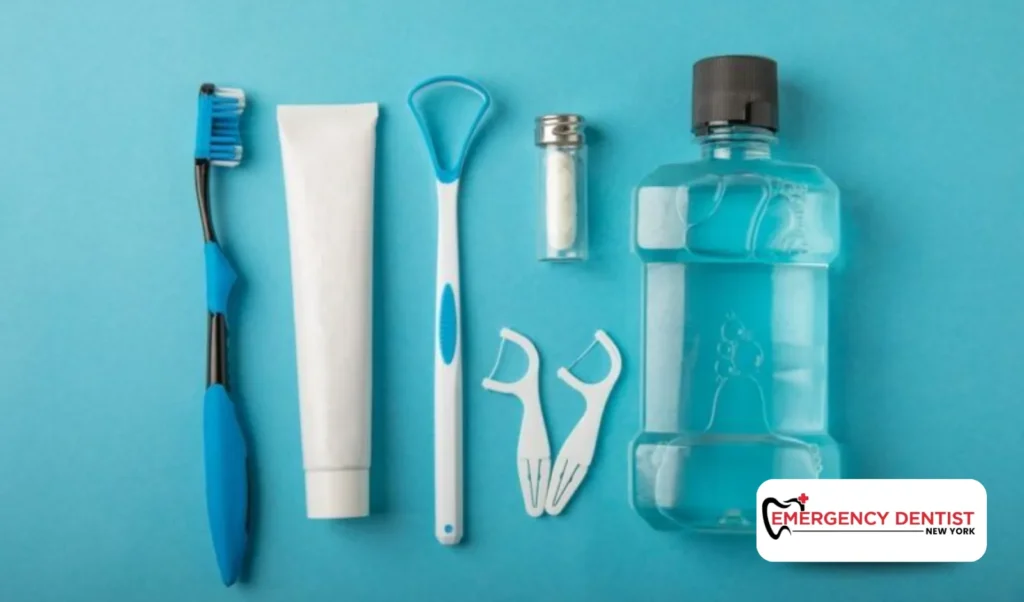
Although implants are artificial, they still require the same care as a natural tooth, including:
- Brushing twice daily
- Flossing regularly
- Using antibacterial mouthwash
- Wearing a mouthguard for sports or grinding
- Scheduling regular dental cleanings and exams
These habits protect your implant, support oral health, and help prevent infection.
When to Contact a Dental Professional
If your implant feels loose, becomes painful when chewing, or you notice bleeding, swelling, or discomfort around the gumline, it could be an early sign of gum disease or possible dental implant failure. These symptoms shouldn’t be ignored, as they may indicate infection or irritation affecting the surrounding bone or tissue. Seeking early help from an Emergency Dentist in Soho can protect your oral health, prevent further damage, and improve the chances of saving your implant.
Conclusion
So, how long do dental implants last? With proper care, strong gum health, and consistent oral hygiene, dental implants can last 15 years or even longer, sometimes even a lifetime. While no treatment is completely maintenance-free, implants are among the most durable, secure, and effective solutions for tooth loss.
By protecting your gums, avoiding harmful habits like smoking or chewing hard objects, and keeping up with regular dental visits, you can enjoy long-term comfort, function, and confidence. Treat your implant like a natural tooth, clean it daily, protect it from wear and tear, and monitor any changes, and it will help maintain your smile for many years to come.