

Small Chipped Tooth No Pain? Why You Shouldn’t Ignore It
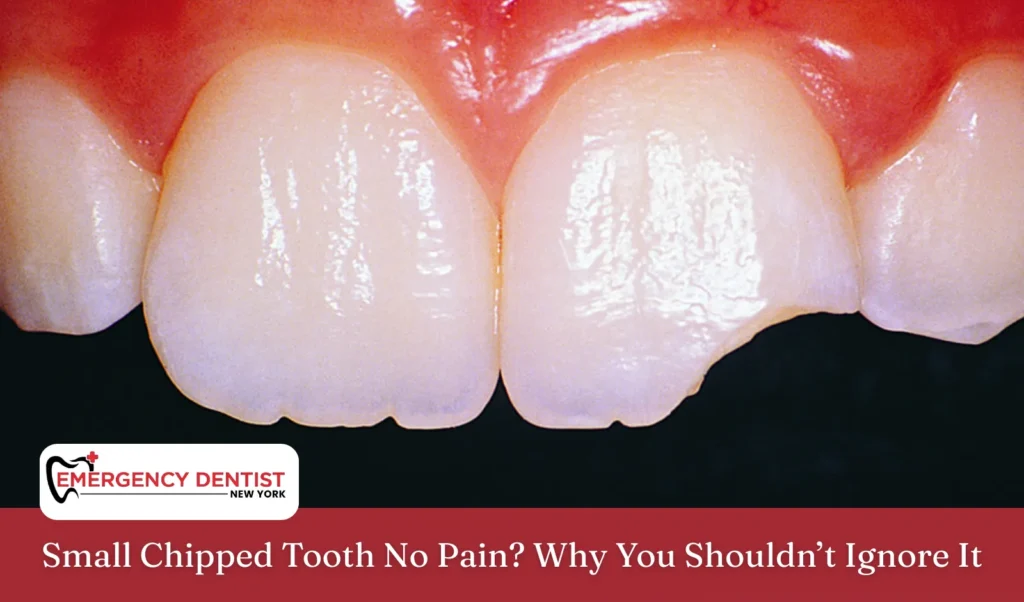
Noticing a small chip in your tooth no pain situation may not seem serious, especially when you can still eat, smile, and speak without difficulty. However, a small chipped tooth no pain can still lead to bigger dental problems over time. Even if there’s no discomfort, a chip or crack weakens your tooth structure, increases the risk of infection, and can eventually lead to sensitivity, pain, or even the need for a root canal.
If you are in or around Soho, it’s wise to visit an Emergency Dentist in Soho to assess the damage, prevent further damage, and protect your teeth before complications begin.
Why You Should Not Ignore a Small Chipped Tooth
Tooth enamel is strong, but it’s not unbreakable. Everyday habits like grinding your teeth or biting down on hard foods can cause a crack or chip. Because enamel does not contain nerves, a tooth without pain may falsely appear healthy. But once the enamel is damaged, the tooth becomes vulnerable to bacteria, decay, and deeper cracks.
Over time, this can lead to sensitivity to hot or cold drinks, a jagged edge that irritates your cheeks or tongue, or even deeper cracked teeth that require more complex treatment.
When the part of the tooth chipped off no pain scenario happens, it may simply mean the damage hasn’t reached the inner pulp yet. But if left untreated, the crack could spread and eventually require a root canal or even extraction.
Common Causes of Chipped Teeth
Several everyday habits or conditions can lead to chipped teeth, even without pain:
- Teeth grinding (bruxism) – Puts excessive pressure on teeth, causing a chip or crack.
- Biting down on hard foods – Ice, nuts, or hard candy can easily crack enamel.
- Accidents or trauma – A fall or impact can result in cracked teeth.
- Wear and tear from aging – Tooth enamel naturally becomes weaker over time.
- Damaged or worn dental restorations – Old fillings or crowns may no longer protect your teeth.
Even small damage weakens the tooth structure and increases the risk of infection, sensitivity, and tooth loss.
Risks of Ignoring a Chipped Tooth
Ignoring a chipped tooth, even a tooth without pain, can lead to:
- Tooth decay in the damaged area
- Infection in the tooth or gums
- Sharp edges that cause mouth irritation
- Increased sensitivity to hot or cold foods and beverages
- Deep fractures that may require a root canal or extraction
- Complete breakage of the tooth
Once infection reaches the pulp, you may feel throbbing pain, swelling, or sensitivity, often leading to a root canal or tooth removal.

How to Protect Your Teeth Before Dental Treatment
While waiting to see your dentist, take these steps to protect your teeth and prevent further damage:
- Avoid chewing on the chipped side
- Opt for soft foods and avoid hard or sticky snacks
- Rinse with warm salt water to keep the area clean
- Cover any jagged edge with dental wax or sugar-free gum
- Brush and floss gently to prevent decay
- Make an appointment with an Emergency Dentist in Soho
These steps can help reduce discomfort, minimize irritation, and stop the chip from worsening before treatment.
Common Treatment Options for a Small Chipped Tooth
Depending on the severity of the crack or chip, your dentist may recommend one of the following:
- Dental Bonding
Ideal for minor chips, dental bonding uses tooth colored resin to repair the damaged area. It’s quick, painless, and improves both appearance and function.
- Dental Crown
If a larger portion of the tooth is damaged, a crown may be used to fully cover and strengthen the tooth.
When the crack reaches the pulp and causes infection or inflammation, a root canal treatment removes the damaged tissue and saves the tooth.
- Dental Implant
If the tooth is severely damaged and cannot be repaired, extraction followed by a dental implant may be the best solution.
Why Emergency Care Is Important
Even if you feel no pain, it’s essential to see an Emergency Dentist in Soho. They can assess the tooth, determine the depth of the crack, and treat it before it becomes a serious oral health issue. Early treatment is often faster, simpler, and more affordable than fixing advanced damage.
Don’t Wait for Pain to Take Action
Just because there is no pain, doesn’t mean there is no problem. A small chipped tooth and no pain situation should be taken seriously. It may look minor, but unseen damage can grow and affect your entire tooth. Addressing it early helps you protect your teeth, maintain your oral health, and prevent expensive treatments later.
If you notice sharp edges, increased sensitivity to hot or cold, or visible damage, don’t ignore it. Reach out to an Emergency Dentist in Soho to restore your tooth, strengthen your smile, and prevent further damage.
Keep in mind: The absence of pain now does not guarantee it won’t develop later.
Frequently Asked Questions
Can a small chipped tooth with no pain still require dental treatment?
Yes. Even a small chipped tooth with no pain can lead to decay, infection, and deeper cracks if not treated quickly.
Why does a chipped tooth become sensitive to hot or cold temperatures?
When a tooth chip exposes the dentin, it can become sensitive to hot or cold foods and drinks, signaling possible deeper damage.
What is the most common treatment for a small chip in a tooth with no pain?
Dental bonding is a common treatment that uses tooth-colored resin to repair the chip, protect your teeth, and restore appearance.