

Sports With the Highest Rate of Dental Injuries: Quick Guide

Playing sports is a great way to stay active, competitive, and healthy, but it also comes with the risk of injury. Among these, sports-related dental injury is one of the most common yet often ignored problems faced by athletes. Across the United States, thousands of players suffer dental trauma every year, from small tooth fractures to severe orofacial injury.
Knowing which sport has a higher rate of dental injuries can help athletes take proper precautions and reduce the risk of serious oral damage. This guide explores the sports with the highest injury rates, the role of mouth guards in preventing dental injuries, and when to seek help from an Emergency Dentist in Soho.
Understanding Sports-Related Dental Injuries
A sports-related dental injury is any damage to the teeth, gums, or mouth that happens during athletic activity. These injuries can range from minor chips to more serious conditions such as:
- Tooth fractures, where the enamel or dentin cracks
- Soft tissue injuries like cuts to the lips, cheeks, or tongue
- Tooth avulsion, when a tooth is completely dislodged or knocked out
- Crown fractures, which expose the inner layers of the tooth
Such oral injuries often occur during contact sports, where player collisions are frequent. Without proper protective gear, these accidents can damage permanent teeth and require urgent dental care.
Which Sports Have the Highest Rate of Dental Injuries

According to the American Dental Association, contact sports account for most dental injuries in sport across the United States. The sports most associated with dental trauma include football, basketball, hockey, boxing, and field hockey.
- Basketball: A leading cause of orofacial injury because many players skip wearing mouth guards. Collisions and elbows during play can result in tooth fractures or soft tissue injuries.
- Football: Although players wear helmets, oral injuries still occur due to tackles and high-impact contact.
- Ice Hockey: Fast-moving pucks and physical hits make it one of the riskiest sports for knocked out teeth and tooth fractures.
- Boxing: Constant blows to the face make dental trauma extremely common among fighters.
- Field Hockey: Sticks, balls, and player contact create a high chance of crown fractures and avulsed teeth.
Even non-contact sports, like soccer or gymnastics, can cause injuries if players don’t use proper protective equipment or custom mouthguards.
Why Contact Sports Pose the Greatest Dental Risk
Contact sports combine speed, strength, and physical interaction, increasing the likelihood of dental trauma. A stray elbow, fast puck, or sudden collision can easily harm the teeth or gums.
Young athletes are especially vulnerable. In pediatric dentistry, many cases involve fractured or chipped teeth after playing sports without protection. Because children’s permanent teeth are still developing, untreated injuries can affect long-term oral health.
The Role of Mouth Guards in Preventing Dental Injuries

One of the most effective ways to reduce the risk of sports-related dental injury is by wearing a mouth guard. These devices cushion impacts, protect teeth, and prevent soft tissue injuries during play.
There are three main types of mouth guards:
- Boil and Bite Mouthguards: Available at stores and molded at home but often lack a proper fit.
- Custom Fitted Mouthguards: Made by a dentist for superior comfort and durability.
- Custom Mouthguards for Athletes: Designed specifically for sports performance, offering better protection and breathability.
According to American Dental research, athletes who use custom fitted mouthguards are far less likely to suffer tooth fractures, knocked out teeth, or other oral injuries.
Why Custom Mouthguards Are the Best Option
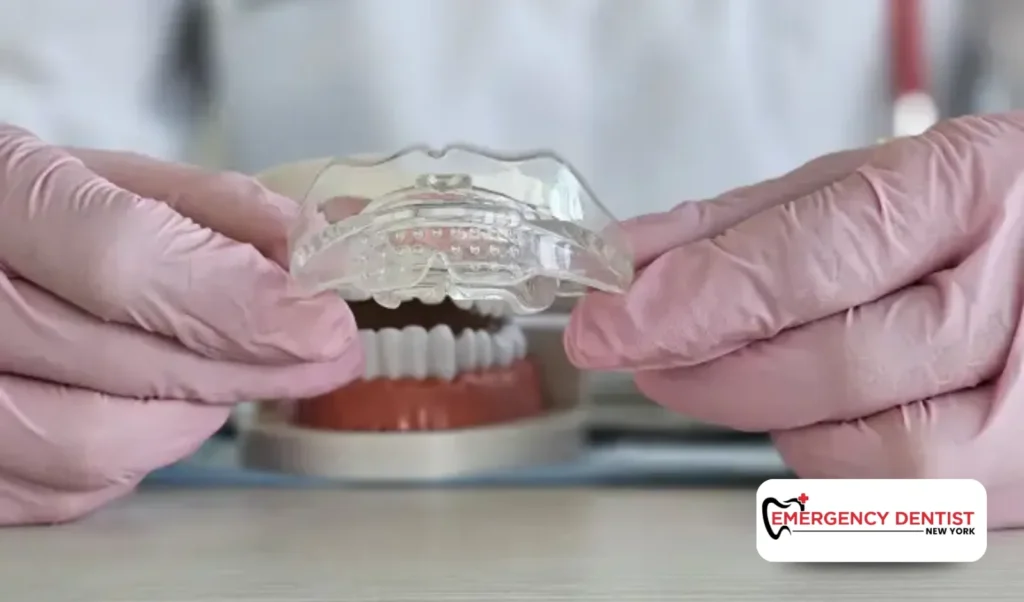
Wearing a custom mouthguard is the best way to protect your smile while playing sports. Unlike store-bought versions, they are molded precisely to fit your teeth, ensuring stability and comfort.
In sport dentistry, custom mouthguards are considered essential protective equipment for both youth and adult athletes. They help:
- Absorb shock and reduce the chance of tooth avulsion
- Prevent crown fractures and soft tissue injuries
- Protect permanent teeth during impact
- Allow easy breathing and speaking during gameplay
For the best defense, replace your custom mouthguard every season or after any noticeable wear.
Tips for Preventing Dental Injuries in Sports
To reduce the risk of a dental injury in sport, athletes should:
- Always wear proper protective gear, including helmets and mouth guards.
- Visit a dentist regularly for dental exams and custom mouthguard fittings.
- Maintain good oral hygiene to strengthen enamel.
- Encourage children in sports programs to use custom fitted mouthguards consistently.
When to Visit an Emergency Dentist
If you experience tooth fractures, avulsion, or knocked out teeth while playing sports, see an Emergency Dentist in Soho immediately. Acting quickly, ideally within 30 minutes, gives you the best chance of saving your natural tooth.
Handle the tooth carefully by the crown (not the root), rinse it gently with milk or saline, and try to reinsert it into the socket. If that’s not possible, store it in milk or inside your cheek until you reach the dentist.
Conclusion
So, which sports have the highest rate of dental injuries? The answer: contact sports like football, basketball, ice hockey, boxing, and field hockey lead the list. These activities present the highest chance of sports-related dental injury, but wearing a custom mouthguard, using proper protective gear, and following sport dentistry guidance can greatly reduce the risk.
Whether you’re a pro or a casual player, safeguarding your teeth is just as important as improving your performance. If a dental emergency occurs, an Emergency Dentist in Soho can restore your smile and protect your permanent teeth.