

Tooth Extraction Hole: How to Heal Safely and Naturally
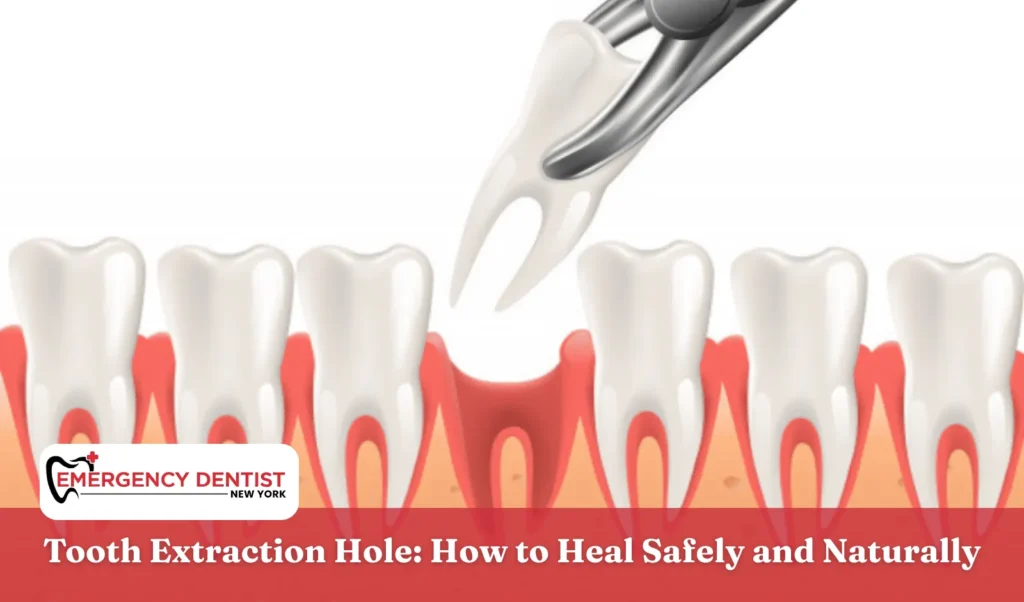
Having a tooth pulled is a common tooth extraction procedure, but one concern many patients share afterward is the tooth extraction hole. The opening left behind, often called the extraction site or empty socket, is a normal part of recovery. Still, it’s natural to wonder how long it takes to fully close, how to keep it clean, and how to prevent complications during the healing process.
Why a Tooth Extraction Hole Forms
After a dentist removes a tooth, the socket that once held it remains open. This space, surrounded by gum tissues and bone, begins healing almost immediately. A blood clot forms inside the socket within minutes of the tooth being pulled, protecting the area from bacteria and giving tissues time to repair.
If the extraction involves a large tooth or multiple teeth, such as during wisdom teeth removal, the hole after tooth extraction may appear bigger and take longer to fill. For a small tooth or simple extractions, the hole is smaller and usually heals faster. Over time, the gum tissue grows over the tooth hole, and the bone beneath strengthens until the socket is completely healed.

Understanding the Healing Process
The body starts repairing itself right away. The blood clot that forms in the socket acts like a protective bandage, shielding the bone and nerves underneath. It also supports the development of new tissue.
During the first 48 hours, you may notice slight swelling, soreness, or light bleeding, this is all part of the healing process. Avoid touching or disturbing the extraction site, as the clot needs to stay in place for healing to continue.
If the clot becomes loose or dissolves too soon, it can lead to a painful condition known as dry socket. When this happens, the empty socket is exposed, often causing sharp pain that radiates to the ear or jaw.
What Can Slow Down Healing
Certain habits and actions can delay recovery. Here are the most common reasons:
- Dislodging the blood clot: Avoid spitting forcefully, drinking through a straw, or rinsing your mouth too hard.
- Poor oral hygiene: Neglecting cleaning can cause bacteria to collect in the tooth extraction hole, leading to infection.
- Food particles: Small bits of food may get stuck in the socket, irritating the area and slowing the healing process.
- Smoking: Tobacco reduces blood flow and oxygen, making it harder for gum tissues to recover.
- Weak immune system: People with health conditions that affect immunity may heal more slowly.
Maintaining good oral hygiene and following your dentist’s advice will greatly improve recovery.
Signs of Infection to Watch For
Some discomfort is expected, but worsening pain or swelling could signal a problem. Contact your dentist if you experience:
- A foul smell coming from the mouth
- Persistent bad breath
- Fever, swelling, or visible pus near the socket
- Severe pain after the first few days
If you notice any of these symptoms, it’s important to contact your dentist immediately. In urgent cases, an Emergency Dentist in Quogue can provide prompt treatment to prevent infection from spreading to surrounding bone or tissues.

Practical Recovery Tips
To ensure your mouth heals safely, follow these helpful steps:
- Keep up with gentle oral care
Continue brushing your teeth, but be careful near the extraction site. Use a soft-bristled toothbrush and avoid the socket area during the first few days.
- Use ice packs when needed
Applying an ice pack to your cheek for 10–15 minutes at a time can reduce swelling and discomfort during the first 24 hours.
- Stick to soft food
Eat soft food like smoothies, mashed potatoes, yogurt, or soups. Avoid hot, spicy, or crunchy foods that might disturb the socket or leave food particles behind.
- Rest and stay hydrated
Resting gives your body time to focus on healing. Drink plenty of water, but avoid straws for the first few days.
- Rinse gently after 24 hours
After the first 48 hours, rinse your mouth gently with warm salt water several times a day. This helps keep the tooth hole clean and supports healing without loosening the clot.
Wisdom Teeth and Larger Extraction Holes
Patients who’ve had wisdom teeth removal or multiple teeth extracted often have larger extraction sites that take longer to fully close. Because these teeth sit at the back of the mouth, it’s harder to keep them clean, and debris can easily collect in the sockets.
Be extra cautious with surgical extractions. Keep the area clean, avoid vigorous rinsing, and follow every instruction your dentist gives. If swelling, fever, or ongoing pain develops, it may require professional attention.
When to Contact a Dentist
During normal healing, discomfort fades after a few days, and swelling gradually improves. However, if you experience constant pain, bleeding that won’t stop, or notice an unpleasant foul smell, it could be a sign of infection or dry socket.
Don’t wait, contact an Emergency Dentist in Quogue right away, they can help relieve pain and ensure your tooth extraction hole heals safely.
Final Thoughts
Seeing a hole after tooth extraction might seem alarming, but it’s a natural stage of the body’s recovery. As long as the blood clot forms and stays undisturbed, your gums and bone will heal on their own.
By eating soft food, practicing gentle oral hygiene, and avoiding habits that could harm the socket, you’ll help the healing process stay on track.
If pain increases instead of easing, or if a foul smell or bad breath develops, it’s best to seek care quickly. With the help of your dentist or an Emergency Dentist in Quogue, you can prevent complications and ensure your mouth becomes completely healed, restoring your comfort and confidence in your smile.