

Tooth Extraction Price: Understanding Costs and Care
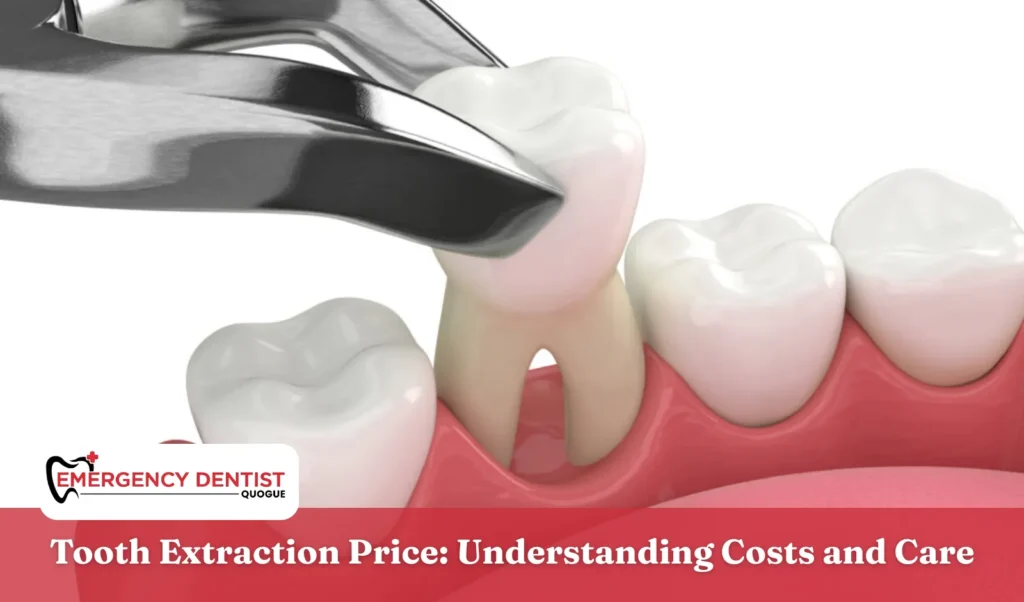
When serious oral health issues like severe tooth decay or infection occur, the only solution may be to remove the tooth. Many patients wonder, how much is a tooth extraction? Since every case is different, understanding the cost of tooth extraction, the typical tooth extraction price, and the factors that influence tooth extraction charges helps you feel prepared. Whether you need a simple or surgical extraction, knowing what affects costs will guide your dental care decisions.
What Is a Tooth Extraction?
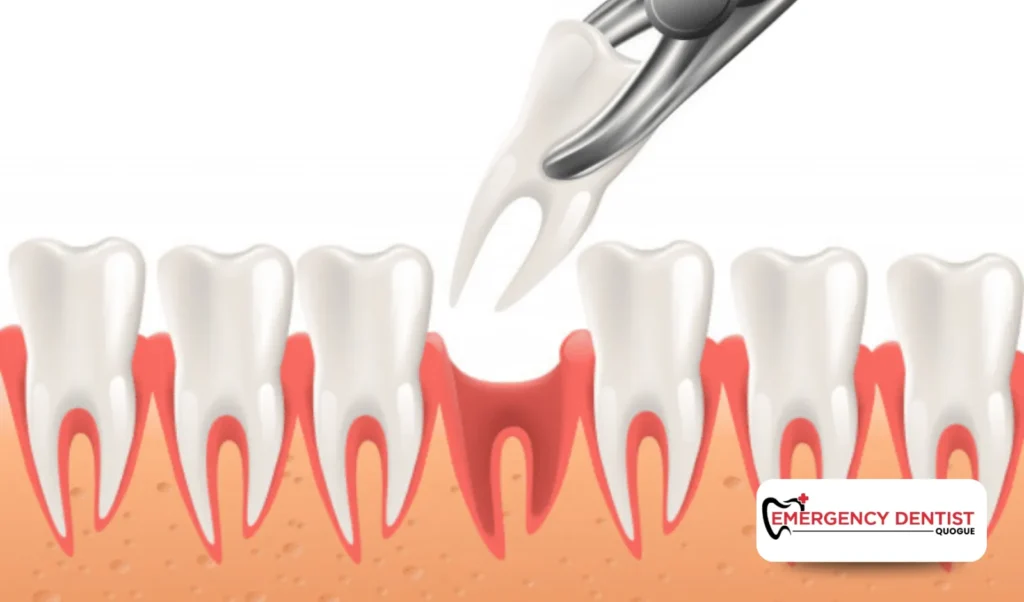
A tooth extraction is a dental procedure where a dentist or oral surgeon removes a tooth from its socket. Extractions are often recommended when teeth are too damaged from decay, gum disease, or trauma. They may also be necessary before orthodontics, dentures, or dental implants. In some cases, wisdom teeth removal is needed when teeth fail to fully erupt or cause discomfort.
Types of Tooth Extractions
Dentists generally perform two types of extractions:
- Simple tooth extraction – performed on visible, fully erupted teeth.
- Surgical tooth extraction – required for impacted, broken, or partially erupted teeth.
Costs can vary depending on the complexity of the procedure.
Factors That Affect Tooth Extraction Costs
The total price of treatment can vary depending on:
- The type of anesthesia used
- The condition and placement of the tooth
- Whether the tooth is fully erupted or impacted
- The dentist’s experience
- The difficulty of the procedure
Because these details differ from patient to patient, tooth extraction charges are not the same for everyone.
Tooth Extraction Costs Without Insurance
Patients who don’t have insurance often worry about the overall costs. Without coverage, prices can be higher, especially for surgical extractions. Some dental offices offer flexible payment plans to help manage expenses.
If you do have a dental plan, check whether your dental insurance plan covers extractions. Many plans cover part of the procedure, depending on the treatment and type of extraction.

Anesthesia, Pain, and Recovery
The type of anesthesia greatly affects both comfort and pricing. Most simple extractions require only local anesthesia. More complex procedures may require stronger sedation.
Swelling or mild discomfort is normal after treatment. Dentists typically provide pain-relief instructions to help you recover comfortably.
Dry Socket and Other Risks
One possible complication is dry socket, which happens when the blood clot at the extraction site becomes dislodged. This exposes the bone and causes significant pain. To help prevent this, patients should avoid smoking, drinking through straws, and rinsing vigorously.
Good dental care after the procedure reduces the likelihood of problems.
Aftercare: Soft Foods and Healing Tips
To protect the extraction site while it heals, patients are encouraged to eat soft foods such as yogurt, soups, and mashed potatoes for a few days. These foods prevent irritation and help maintain the clot that protects the socket.
Avoid hard foods, straws, and alcohol-based rinses until the area has healed.
Considering Dental Implants After Extraction
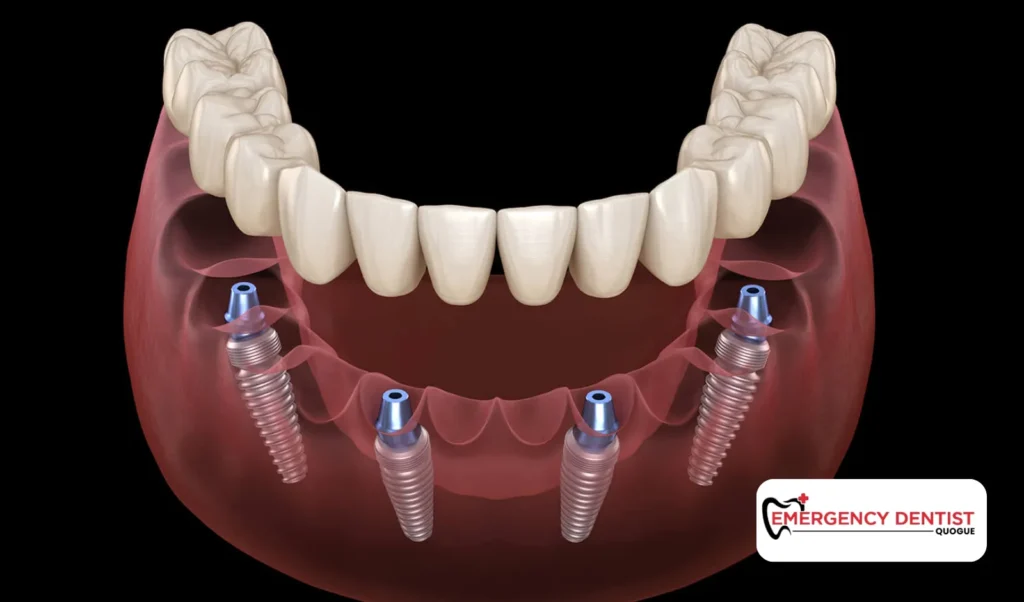
Removing a tooth can affect your bite, appearance, and long-term oral health. Dental implants are a popular way to replace missing teeth because they provide stability and help preserve the jawbone.
Your dentist can guide you through the benefits and whether implants are a good option for your situation.
Alternatives to Extraction
Sometimes a root canal can save a damaged tooth and prevent the need for removal. However, if the decay or infection is too extensive, extraction becomes the better option.
When to See an Emergency Dentist in Quogue
In urgent situations, reaching out to an Emergency Dentist in Quogue can make a major difference in your comfort and oral health. Whether you’re dealing with sudden pain, a dental injury, or complications after a tooth extraction, emergency dental services provide prompt, professional care exactly when you need it most
Conclusion
The question how much is a tooth extraction does not have one set answer because tooth extraction charges can vary depending on the procedure, anesthesia, and whether your insurance helps cover the cost. Patients without insurance may face higher expenses, but many clinics offer flexible options.
Understanding the cost of tooth extraction and following proper aftercare, such as eating soft foods, protecting the extraction site, and avoiding dry socket, can make the healing process smoother. If sudden pain or complications occur, an Emergency Dentist in Quogue can provide immediate, dependable care.
Frequently Asked Questions
What affects tooth extraction charges the most?
Tooth extraction charges vary based on the type of extraction, the condition of the tooth, and the type of anesthesia used. Surgical extractions, impacted teeth, and procedures that require sedation usually cost more than simple extractions.
Does insurance help lower the cost of tooth extraction?
Many dental insurance plans cover part of the cost of tooth extraction, especially when it’s medically necessary. Coverage depends on your plan, the type of extraction, and whether anesthesia or surgical steps are involved.
What should I expect during recovery after a tooth extraction?
Most patients can expect mild swelling and soreness for a few days. Eating soft foods, keeping the extraction site clean, and avoiding straws help protect the area. Following your dentist’s instructions lowers the risk of complications like dry socket.
Is tooth extraction always necessary for damaged teeth?
Not always. In some cases, a root canal or other dental procedures can save the tooth. However, if the tooth is severely decayed, infected, or impacted, your dentist may recommend extraction as the safest option to protect your oral health.