
What to Eat After Tooth Extraction for Quick Recovery
Recovering from tooth extraction can be uncomfortable, especially when you’re unsure what to eat during the healing process. One of the most common questions patients ask is: what to eat after tooth extraction? The answer is simple, focus on soft foods to eat after tooth extraction that are gentle, nourishing, and easy to eat. These foods protect the area and help promote healing while keeping you comfortable.
The meals you choose after an extraction make a big difference in how fast you recover. Eating the right foods helps you heal faster, while the wrong choices can irritate the extraction site or even dislodge the blood clot, which protects the wound. If you’re ever unsure what to eat or feel discomfort after a dental procedure, contact an Emergency Dentist in Soho for guidance and professional care.
Why Food Choices Matter After a Tooth Extraction
After any dental procedure, like a tooth extraction, your body naturally forms a protective blood clot over the area. This clot helps prevent infection, shields the exposed bone and nerves, and supports the recovery process.
If the clot becomes dislodged, it can cause dry socket, a painful condition that slows healing. That’s why it’s important to know what to eat after extracting tooth and which foods to avoid. Eating soft foods provides your body with important nutrients. It also protects your gums and jaw. This helps the area heal.
A healthy soft food diet also provides essential vitamins and minerals that help your tissues repair and allow you to become fully healed faster.
Best Foods to Eat After Tooth Extraction
The first 24 hours after oral surgery are the most important part of your recovery process. During this time, your main goal is to protect the blood clot and avoid disturbing the area. Eating soft foods to eat after tooth extraction that are smooth, gentle, easy to chew, and easy to swallow will help you stay comfortable and heal faster.
Stick with cold or room-temperature meals that soothe your mouth and don’t irritate the extraction site. Here are some of the best foods to eat after tooth extraction to help you recover and stay hydrated:
- Mashed potatoes – Soft, creamy, and easy to swallow, they’re gentle on your gums and filling.
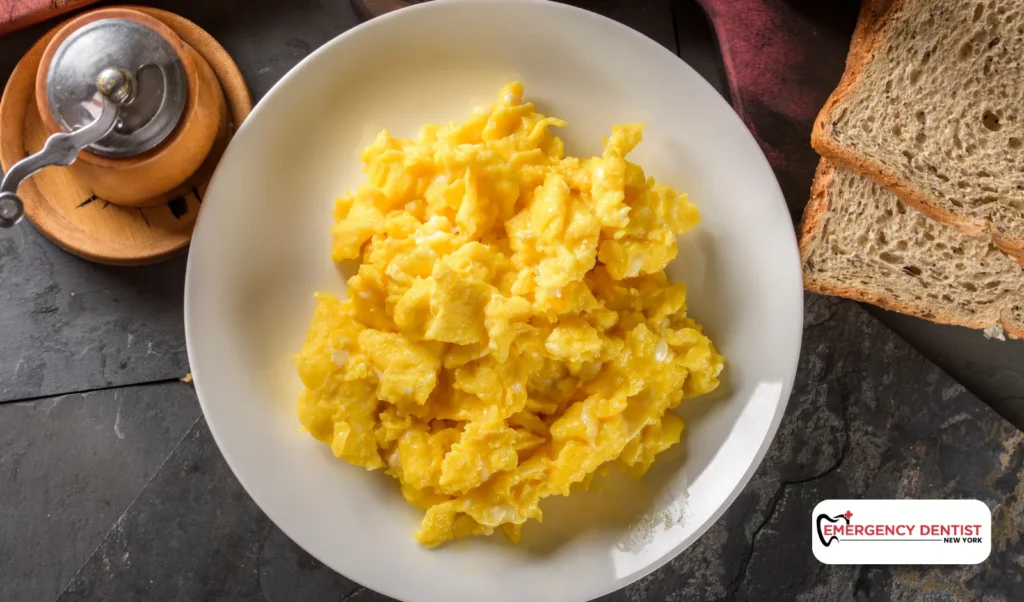
- Scrambled eggs – Soft, full of protein, and easy to chew, they help promote healing and restore strength.
- Butternut squash – When cooked until tender, it’s packed with vitamins and minerals that support the healing process.
- Ice cream – Cool and soothing, it reduces swelling and discomfort, especially in the first 24 hours.
- Yogurt and smoothies – Nutritious and refreshing, they’re easy to swallow and help you stay hydrated while giving your body energy.
- Applesauce and pudding – Gentle and smooth, they’re- perfect when chewing is uncomfortable during the early stages of recovery.
Foods and Habits to Avoid After Extraction

Knowing what not to eat is just as important as knowing what to eat after tooth extraction. Certain foods and habits can slow the healing process, irritate the extraction site, or even dislodge the blood clot.
Avoid the following:
- Spicy foods – These can burn the sensitive area and cause unnecessary pain.
- Hot foods – Anything too hot can dissolve the blood clot before healing begins.
- Acidic foods – Citrus fruits, tomato sauces, or juices can sting and irritate the extraction site.
- Crunchy or hard foods – Nuts, chips, or crusty bread can damage the delicate tissue and delay recovery.
- Avoid using a straw – Suction from a straw can easily dislodge the blood clot, raising the risk of dry socket.
By avoiding these items, you’ll reduce the risk of irritation, infection, or delayed healing.
Recovery Process and Professional Care
The recovery process after tooth extractions depends on a few factors. These include how many teeth were removed, the complexity of the surgery, and your overall health. It’s important to follow your oral surgeon’s instructions carefully. This helps protect the blood clot and supports healing.
If you have ongoing pain, swelling, or bleeding that doesn’t stop, contact an Emergency Dentist in Soho right away. Getting quick treatment can reduce the risk of infection and make sure your mouth heals properly.
Conclusion
If you’re wondering what to eat after tooth extraction or what can I eat after tooth extraction, stick with soft, gentle foods that are easy to eat and won’t hurt your gums. Start with mashed potatoes, scrambled eggs, butternut squash, and ice cream during the first few days. Avoid spicy foods, hot foods, and acidic foods that might irritate the extraction site or slow your recovery.
Following a soft food diet helps promote healing, protect the blood clot, and reduce the risk of complications. If you have any questions or notice something unusual during your recovery process, reach out to an Emergency Dentist in Soho for expert help and peace of mind.